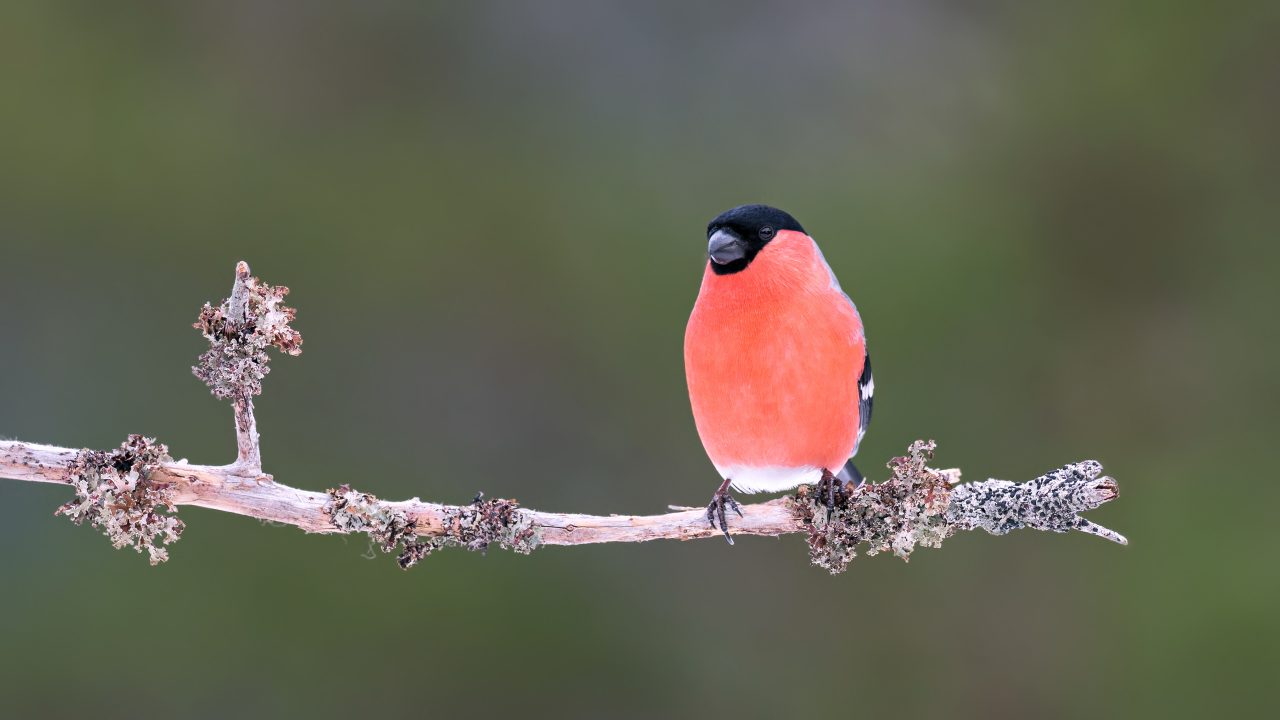
alzheimer’s
white white white
snow falls
(Otata 16, April 2017)
© Eufemia Griffo (Italy)
The poet noted that this haiku was written in memory of her mother. My first reaction was the feeling that nature connects intricately with human existence— and in this haiku, with the poet’s mother’s passing. A supernatural sense of nature should not be given up, as it is a part of our childhood wisdom. As we become adults, it is easy to forget the magic of nature and how we are connected to it on a spiritual level.
The snow’s whiteness, like the blankness of Alzheimer’s, connects mother and nature. Happenings in nature might seem like fate, or might seem coincidental. In reality, nature is presenting connections between us and itself each moment—we only need to witness nature with a clear mind to be able to see it.
The repetition of white reaffirms this connection and also the sadness of loss. It could also be reflective of the pain Alzheimer’s causes to individuals and their families. But in this melancholy mood, there is a touch of hope. The purity of snow as it falls shows the poet that her mother is now at peace, and has now began anew—either in the afterlife, or as part of the natural world.
The act of the snow falling is like a eulogy from the sky. It is as if the natural world recognizes her passing, and pays tribute to her. And in viewing that whiteness, the poet may feel the sting of loss, but also feel the beauty of who her mother was.
If we look at this haiku from the standpoint of sound, we can see that the “l” sounds in the first line and the last line gives emphasis to the tragedy, and so does the repetition of the “w” sounds.
There is no need for punctuation in this haiku with such strong words being used, and the conciseness of the poem also gives it more power.
A touching haiku, it also illustrates the cause and effect relationship between humanity and nature.
– Nicholas Klacsanzky (Ukraine)
 Haiku Commentary