
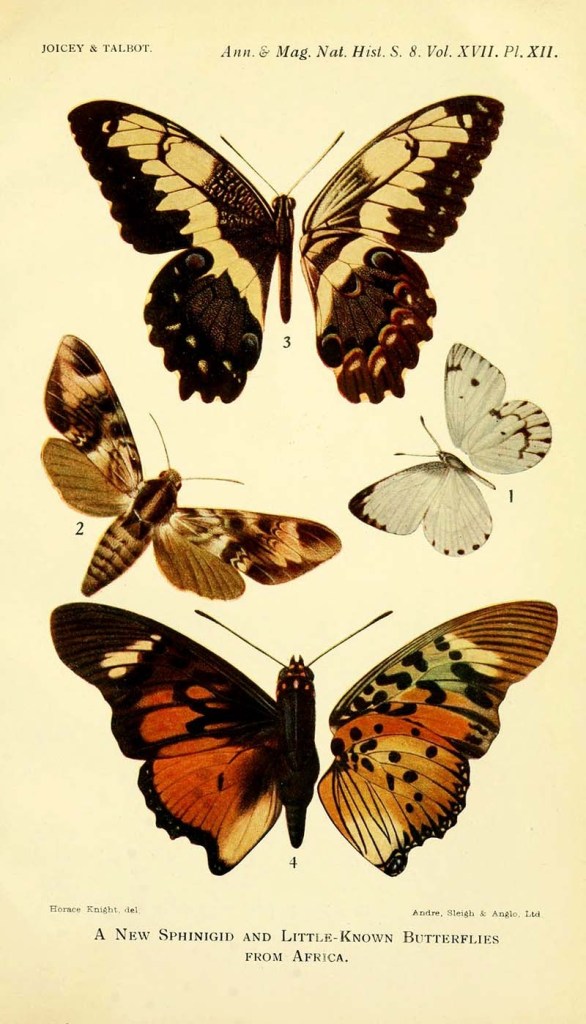
pinned butterfly –
even in death
beautiful
– Réka Nyitrai (Romania)
(published previously in Scryptic issue 2.4 December 2018)
I liked the simplicity of this haiku that straight away touched me deeply. We mostly mention living creatures in our poems as a source of inspiration but this unique haiku took another unique dimension of life which itself is full of life.
‘pinned butterfly’, if I imagine, means the transformation of life into death but still finds its way to get the attention of the masses. When we pin something, we try to highlight it on a wall or board or any other place where it can be seen by many people. It also shows how things become important after death, and especially how death carves their beauty and makes them immortal.
Yes, this happens only through imaginative and creative thoughts that never die. Our thoughts and creativity make things immortal no matter what stage of life they are at and whether they are alive or dead—whether they are dynamic or static. The only thing that matters in the imaginative world is how we make things alive and immortal through our creative thinking. This haiku is the epitome of the imagination that takes us to a static stage of life where butterflies don’t flutter, don’t leave trails, don’t fly high, and don’t spread fragrance. It is a meditative stage of life where one finds existence in stillness and in deep silence. The en dash after ‘butterfly’ means a short pause which also reflects the stillness of life both during the creative and/or meditative process.
– Hifsa Ashraf (Pakistan)
This haiku brings to mind how beautiful endings are at times. Sunsets. Outros in songs. A person’s last words. A pinned butterfly.
The beauty that the poet sees in the pinned butterfly brings it back to life in a symbolic sense. It is alive with color and elegance, albeit in stillness. But by pinning the butterfly, we can relish it’s beauty forever in a certain moment. That moment happens to be its death.
Getting technical, we can say this haiku displays muga (a Japanese aesthetic), or spiritual selflessness. The poet does not discuss herself and focuses solely on the beauty of the butterfly, in its new transformation.
The dash is useful to make a clear split between the parts. Also, it could visually represent a pin. The economy with which the poem is written is admirable. With only six words, it carries a powerful message. The sharp “i” sounds in the haiku also direct one’s attention to the image of a pin.
Simple yet poignant, this haiku allows readers to contemplate the beauty of the afterlife in its physical sense. It also brings about an introspection on what it means to be alive.
– Nicholas Klacsanzky (USA)
 Haiku Commentary
This haiku is absolutely stunning!
LikeLiked by 1 person
Reblogged this on Frank J. Tassone and commented:
#Haiku Happenings #9: Nicholas Klacsanzsky presents , and comments on, a haiku by Réka Nyitrai!
LikeLike