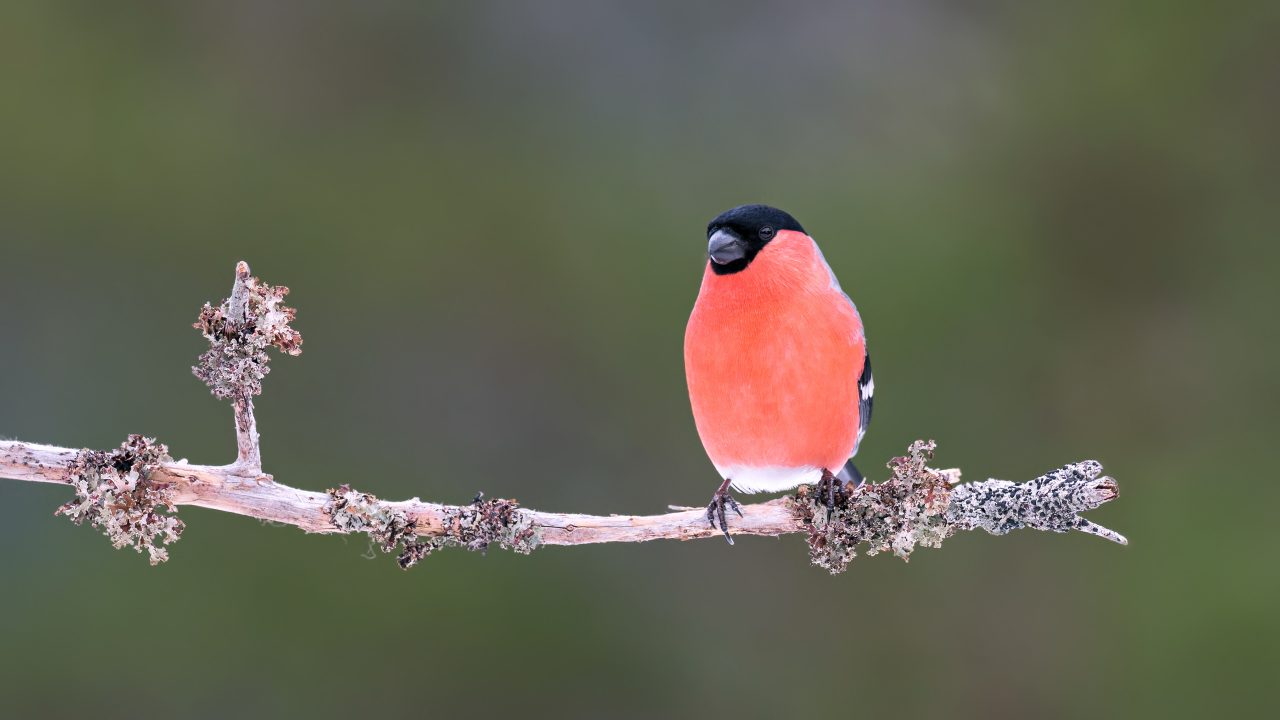
Haiku by Ivy Raff, Sushma A. Singh, and Daniela Misso

Mist runs fingers through
green tendrils of mountain hair
One soulmate? A myth

Ivy Raff (USA)

Commentary from Jacob D. Salzer:

I think the first two lines are original and interesting. They show what the third line tells. I appreciate the notion regarding the dangers of relying on one person to meet so many needs in life. Ultimately, I am averse to the idea of a soulmate, which seems to have become a cultural norm in the West. 

This is a 5-7-5 haiku. While there is nothing wrong with 5-7-5 haiku, I would encourage the poet not to be solely restricted to this format when writing haiku in English.

It’s also interesting to include questions in haiku. Most times, I feel leaving the question open to the reader is most effective. In this haiku, the question is answered, which may be too telling for some readers. Still, I feel the juxtaposition is strong. I think this haiku is an excellent start to a conversation about relationships, marriage, and divorce. An interesting haiku.

Here is a statistical article on divorce in the U.S.: https://www.forbes.com/advisor/legal/divorce/divorce-statistics/

summer visit
mother fits into
a smaller hug

Sushma A. Singh (India)
The Heron’s Nest, Issue 4, December 2018
Shortlisted for The Touchstone Awards 2018
Red Moon Anthology 2018

Commentary from Hifsa Ashraf:

Sometimes, we don’t need a lot of words to tell our loved ones how we are feeling about them. A heartfelt moment is enough to say it all.

‘Summer visit’ indicates vacation time or long days. Either way, the person wants to have spare time to spend with their mother after a long time. Summer days, especially in Eastern countries, are really hot and humid. People usually feel uncomfortable physically and mentally. They need someone around them who can soothe their feelings. Visiting one’s mother is mostly a profound experience where there is deep communication on both sides.

In this poem, we can see the power of non-verbal communication where simply a small hug can make a lot of difference and tell the whole story of her poor health. I also see other hidden aspects here i.e. departure, lonliness, grief, etc. that has a great impact on health. One can feel it if they visit that person after a while.

Lastly, the letter ‘m’ dominates in this haiku with some underlying feelings that are left unexpressed. 

a goodbye
lost in the wind
morning swallows

Daniela Misso (Italy)
Frogpond 46:3, Autumn 2023

Commentary from Nicholas Klacsanzky:

The first aspect of this haiku that I noticed was the pivot line. It can work for both the first and third lines. The two ways the pivot line can be read reveal potent meanings. The second thing that struck me was the sense of sound. The elongated “o”s in the haiku slows the pace and allows the reader to soak in the poem. The string of “o”s also brings about emotions, such as melancholy and sympathy.

With only eight words, the poet doesn’t waste anything. The words “lost” and “morning” are the most impactful, in my opinion. Both may be hints to the kigo or seasonal reference. This haiku could be about the migration of swallows and that being compared to a goodbye being said. In addition, it could be a contrast between the harshness of a goodbye and the joy of morning sparrows. Either way, this haiku strikes several emotional chords and is also technically efficient on top of that.
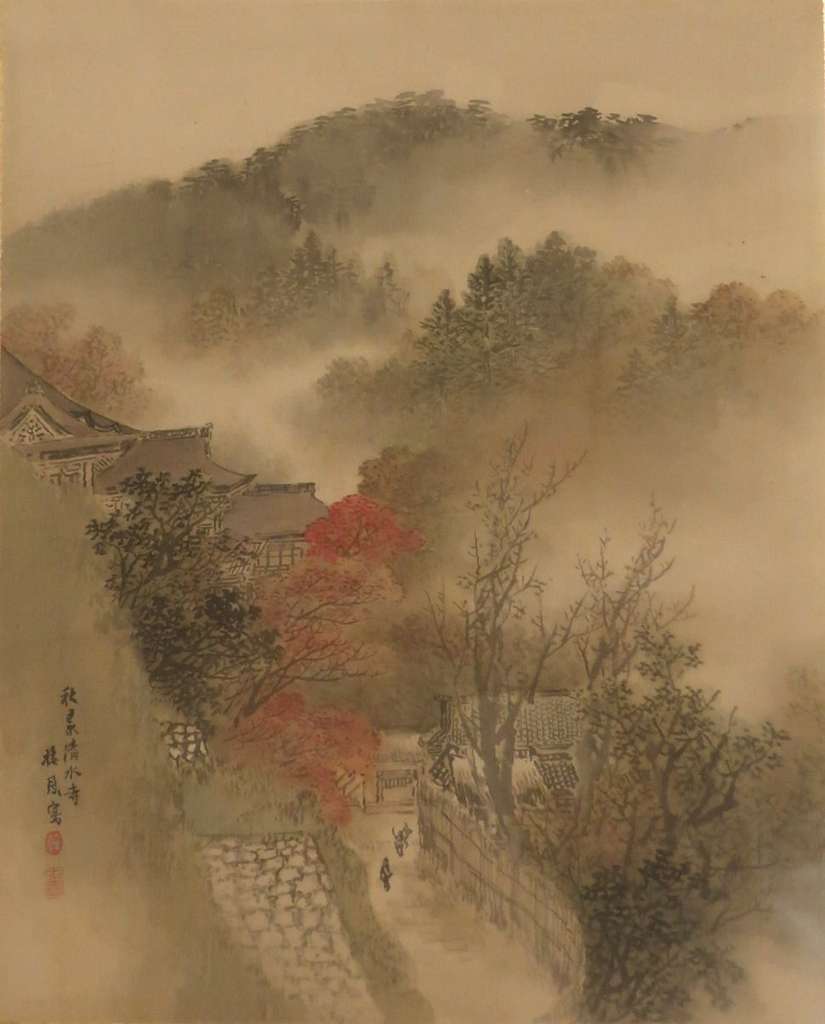
Kiyomizu Temple in Autumn by Yamamoto Shunkyo, 1891

Daniela Misso’s Moorings

moorings 
creaking on the lake…
deep autumn

Daniela Misso (Italy)

(published in Wales Haiku Journal, Autumn 2020)

Commentary

This is an excellent haiku with depth, a strong atmosphere, and mystery (yugen). It also evokes potent emotions and has metaphorical value as well. 

Starting with the first line, moorings comes from the verb moor. As an intransitive verb, there are three definitions of moor I would like to highlight:

moor

1. To fix in place; secure: synonym: fasten.

2. To provide with an abiding emotional attachment. 

3. To secure a vessel or aircraft with lines or anchors.

Source: https://www.wordnik.com/words/moor

With these definitions in mind, the moorings in this haiku are not only strong cables, ropes, or anchors that are securing a boat or vessel to a dock (or another structure); they are also a metaphor for emotional attachments in a relationship (or within several relationships). In particular, the second definition above “to provide with an abiding emotional attachment” reminds me of a couple providing for their family. More concretely, I can see an emotional attachment to a specific boat as well. In this haiku, I imagine an empty boat overflowing with memories and stories. However, I feel these stories could be not only from one person’s lifetime, but rather span across several generations and even several lifetimes. 

Furthermore, I would like to highlight this definition of moorings: 

moorings

1. the place where a ship is anchored or fastened.

Source: https://dictionary.cambridge.org/es-LA/dictionary/english-portuguese/moorings

With this definition, in this haiku, I feel a very strong emotional attachment to the lake and the surrounding land. Therefore, this haiku is not limited to emotional attachments between people, but also includes our emotional attachments with Mother Earth. I also like that the lake in this haiku is not named, leaving it open for the reader to connect with experiences they’ve had at different lakes. 

Moving to the second line, I am drawn to the sound. Creaking brings an eerie feeling that amplifies the silence of the scene and has a haunting quality to it. I could see this haiku being the start of a mystery novel or movie. In light of the moor definitions, moorings creaking could signify the wear and tear of an emotional attachment between two or more people over time that, despite the challenges, is showing strength, dependability, and longevity. On the other hand, the creaking sound could point to a degree of uncertainty and weakness in a relationship. I like how the creaking sound evokes the emotional complexity of relationships. This interpretation equally and powerfully applies to our relationships with Mother Earth.

In the third line, deep autumn effectively shows us how cold it is, with hints of winter already in the air. I feel it adds to the atmosphere of the scene and brings the universal emotions of grief, loss and letting go, but also expresses a slower pace of life and reflection.

This is a moving haiku that has depth, a strong atmosphere, and significant emotional and metaphorical power.

— Jacob D. Salzer (USA)

What is being moored? This question came to my mind after reading this poem. Perhaps boats, thoughts, fatigue, silence, worries, nostalgia, or anything else that is still hidden from our sight. Moorings indicate that we have to run our imagination wild and think of things that may fit best to the scene, as we have choices. So, the person who is at the seaside is the one who ties up whatever they want. I see it as more personal, intangible, and discreet where it’s not the matter of fastening boats but the things that are related to it—maybe something burdensome as alluded to in the second line by using the word ‘creaking’. But on the other hand, a person may not have control over those choices that are creaking and haunting again and again.

The poet concludes the scene by taking us to the deep autumn which adds more depth and silence in the background, where one can introspect and find out how to run the boat of life without distractions, and shortcomings.

The sound of ‘ing’ in this haiku resonates with the feelings of helplessness and aimlessness that continue without any interruption.

Hifsa Ashraf (Pakistan)

Jacob and Hifsa have provided thorough commentary that leaves me with a bit to add. I will go over the kigo (seasonal reference), pacing, sound, and language.

Sometimes in haiku, using a direct name of a season works well, and this haiku is a fine example of that. What is interesting is commonly haiku poets put the kigo in the first line if they are naming it directly. But in this haiku, the kigo carves out a more resonant space for the reader to ponder as it is given in the last line. The way the kigo interacts with the creaking brings out the melancholy, introspection, and loneliness of autumn.

The pacing of the lines follows the standard for English-language haiku with a short first line, a longer second line, and a short last line that mimics the traditional Japanese haiku rhythm.

As Hifsa noted, the “ing” sounds carry that somberness that is present in haiku. Also, the “m” sounds bring a sense of eeriness, and “ee”/”ea” slows down the pace. There are many elongated syllables in this haiku, which showcase the slowness of time of the moment described.

The language is simple and concise, with enough poetic phrasing to bring out emotion. Not one word is unnecessary and the poem is not begging for words to be added.

The relation between human-made instruments and nature, combined with the mentioned season, makes this haiku especially resonant.

Nicholas Klacsanzky (USA)

Watercolor painting by Cathy Hillegas