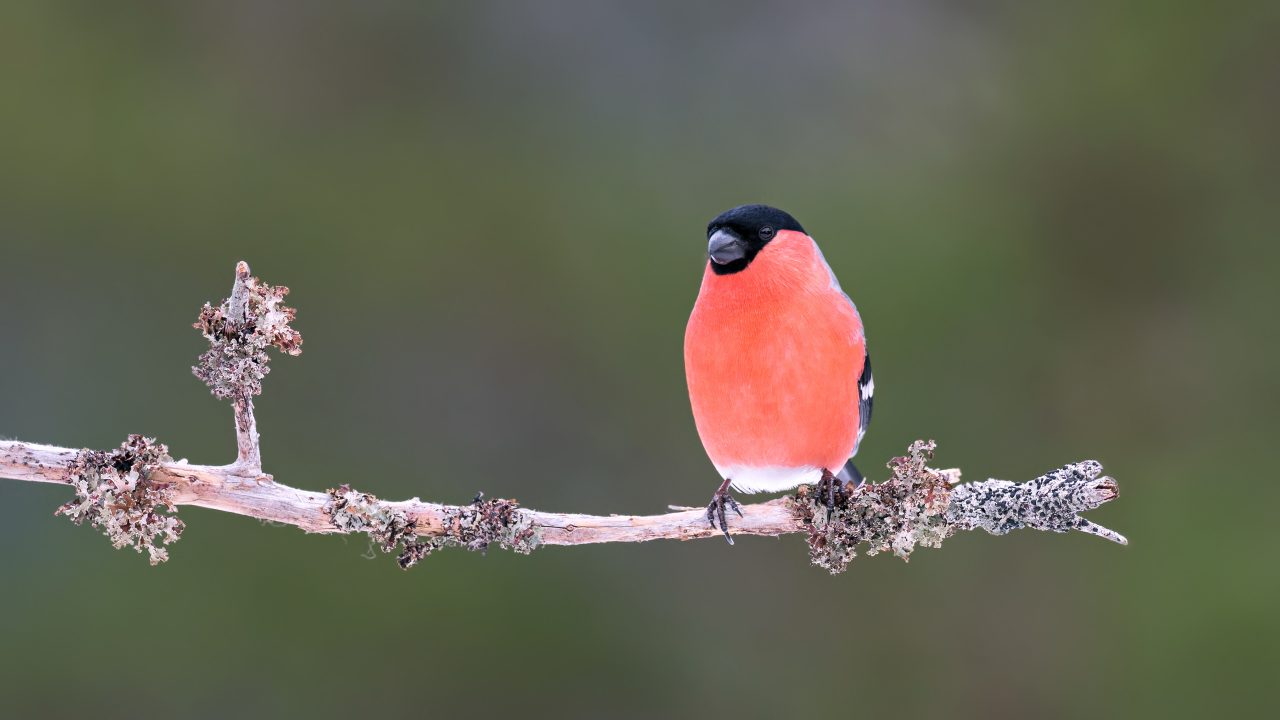
Haiku and Haiga by Lanka Siriwardana, Bonnie J Scherer, and Maire Morrissey Cummins

grandfather’s trembling feet
searching for the slippers
in this cold night

Lanka Siriwardana (Sri Lanka)
Honorable Mention, 76th Basho Memorial English Haiku Contest, 2022

Commentary from Jacob D. Salzer:

Like many well-written haiku, there is a balance in this haiku between concrete imagery and mystery. In the first reading of this haiku, we could see “trembling feet” relating to the cold temperature. However, the trembling could also be due to a medical condition and/or old age, in addition to the cold night. The words “searching for the slippers” show a kind of struggle, partly because it’s evening, but the poet’s grandfather also might have dementia or some form of memory loss.

The overall tone of this poem inspires compassion because we get a real glimpse of the grandfather’s life in a cold atmosphere. As a reader, I wonder if the grandfather lives in a home or shelter that isn’t heated well. This haiku also reminds us that a simple task many people take for granted (such as finding their slippers) can be a significant challenge for others. I am reminded of my late grandmother who had dementia. Even walking to the front door and putting on her shoes was a significant task that took quite some time. Indeed, psychologically, there seems to be a slower pace to this haiku, in stark contrast to the busy, daily lives in modern cities. This is a haiku that inspires sensitivity and compassion. 
Bonnie J Scherer (USA)
Daily Haiga, 9/30/2024 

Commentary from Hifsa Ashraf:

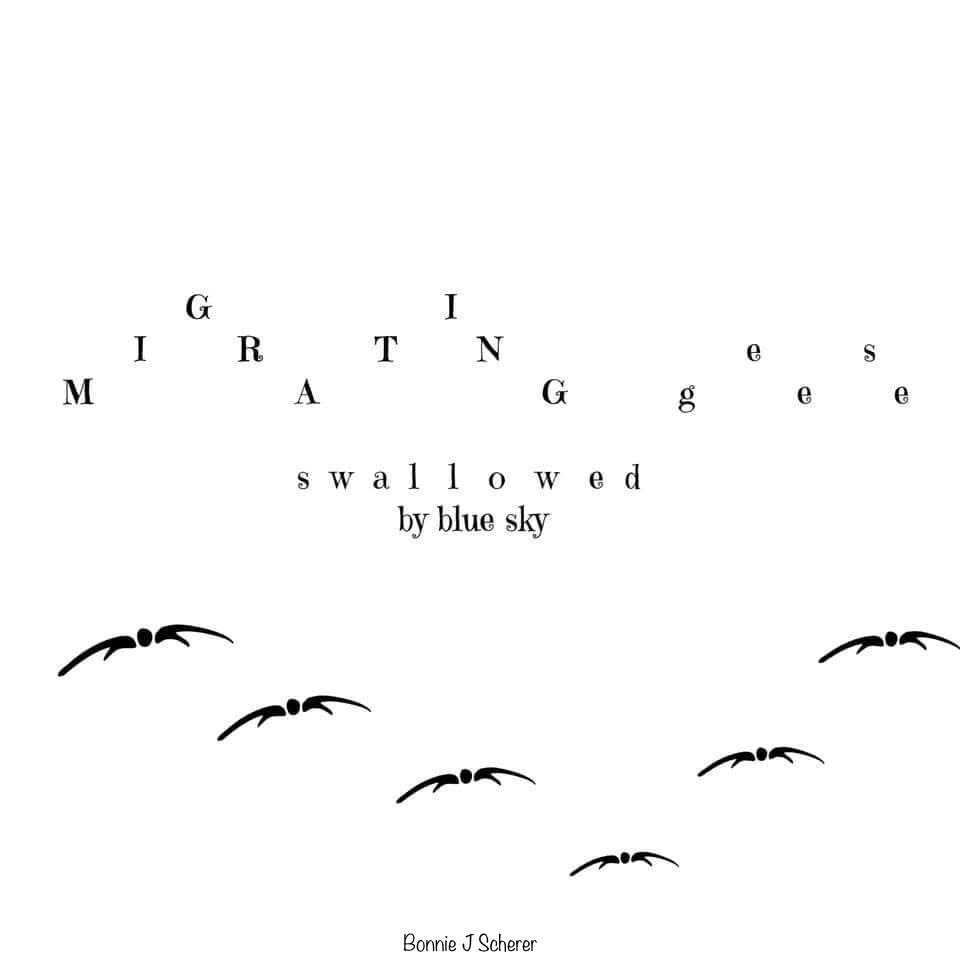
The opening line of this haiku suggests the time of departure—probably afternoon or early evening. Migrating geese move in a flock with a specific formation, making their flight unique. 

‘Swallowed by blue sky’ makes the scene more dramatic and mysterious. It is an unusual time of depature which may be due to unfavourable circumstances i.e. climate change, war, etc. The word ‘swallowed’ indicates a critical or unfavourable situation where the geese disappeared either due to smog or smoke or in a symbolic way. 

The missing article before ‘blue sky’ perhaps points to a regular situation where geese disappear normally. We may be getting less sensitive to what is happening in nature, where birds do not feel secure in blue sky—not having the freedom of enjoying seasonal flights. It also indicates that such beautiful scenes are missing where bird lovers can enjoy bird watching. 

Overall, the vivid imagery of birds is quite sad and stark for those who love nature. 

night ferry
pitching its way
through starlight 

Maire Morrissey Cummins (Ireland)

Commentary from Nicholas Klacsanzky:

I grew up near a ferry dock, so I can easily relate to this haiku. The lights from night ferries are majestic to witness. In conjunction with “starlight,” it would be truly a spectacle. The casual speed of a ferry also makes this image more beautiful, with the ferry pitching i.e. an up-or-down movement of the bow and stern of the ship. The combination of artificial and natural light, as well as the earth and the cosmos, add to the meaning of the haiku.

Looking at the more technical aspects of this haiku, one can easily say that it follows the tradition of brevity, with only seven words used. Each word is employed well, especially “pitching,” which gives the poem more motion. Also, the “i” sounds perhaps make the starlight imagined more stark, and the “r” sounds provide more weight.

Like many fine haiku, on first read, it seems simple. Yet after looking a bit deeper, we can see layers of resonance and fantastic imagery that connect the human-made world with the cosmos.
Haiku by Robert Hirschfield, John Zheng, Patrick Sweeney

heavy snow—
in the window
my buried name

Robert Hirschfield (USA)
Autumn Moon Haiku Journal, autumn/winter, 2024 

Commentary: I appreciate the psychological and philosophical depth of this haiku. The first line alone carries emotional weight as well in the word “heavy.” I think the dash puts more emphasis on the snow and also creates a long silence in the poem, which resonates with the deep snow. I also appreciate the window in this haiku that seemingly separates the “inside” from the “outside.” I see the window as the lens through which we see the world. As a meditation, this haiku reflects on human mortality and encourages us to reflect on our Earthly lives and life after death. I also appreciate how this haiku shifts the focus back to the beauty and power of Mother Earth who survives long after we are physically gone. I think the poet is writing from a place of genuine humility, as his name is literally and visually buried in this haiku in the last line. In turn, it seems our names are not as permanent as they seem to be. This haiku conjures up a few questions for us to consider: 1) What do we want to leave behind after our last breath on Earth? 2) Who are we without our names? 3) What are our thoughts on life after death? 4) Are we open to the Great Mystery? I think this haiku expands our perspective and asks us to consider how important our seemingly separate sense of individuality is in relation to life itself and the cosmos. I would argue that no one is ever truly alone in this world (or in the afterlife). It seems our unique individual selves are, in the end, expressions of one universal energy, just as each snowflake is uniquely different but made of the same substance. It also seems that all of life is connected in infinitely complex and mysterious ways that we can never fully comprehend with our limited minds. In short, this is a powerful and humbling haiku that encourages us to meditate on our identity, our Earthly lives, Mother Earth spirituality, and life after death.

Jacob D. Salzer

John Zheng (USA)

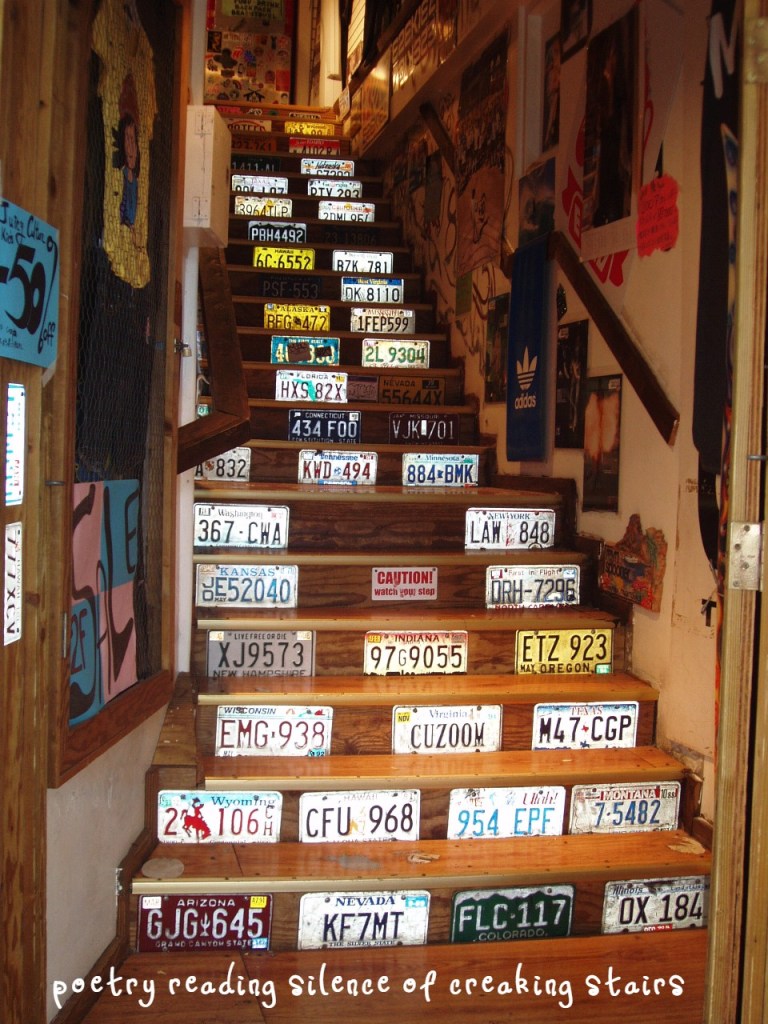
Commentary: When I looked at this photo haiku for the first time, it reminded me of a summer vacation in my childhood in my village. My grandmother used to tell us a story in an old-fashioned room in our family house where there was a wooden ceiling, creaky stairs, a charpai, and an ancient wooden door. We used to sit on the stairs listening to our late evening stories from her and there was complete silence in the room except for the wind that would pass through the gaps in the wooden ceiling. I can relate to this haiku very well. It seems like a meditative session where everyone is mesmerised by profound poetry that has enchanting effects on listeners. Reading poetry is an art that can bring all the senses to one point and make them not only listen to it but also absorb the vivid imagery or storyline. It suddenly stops the world around us and lets us relate it to our feelings and thoughts. 

I see another aspect to this photo haiku as well. It may depict the cessation of past routines of storytelling or reading. It may suggest that the poet is all alone and there is no one to listen to their poetry. The silence of creaking stairs could mean no one from the upper part of the house comes down. Maybe, once there were children or other household members who used to gather for poetry readings and now they have gone. It’s a simple yet deep photo haiku that depicts the irony of today’s fast-paced life where no one has time for such creative activities. 

Hifsa Ashraf

curvature of spacetime at the early bird special

Patrick Sweeney (USA)
Wales Haiku Journal, Spring 2023

Commentary: I’m a fan of reading about physics, and haiku about spacetime are always interesting to me. In this haiku, there is an unexpected pairing with “early bird special.” For those not acquainted with this, it is a business strategy to offer discounted prices for those who buy an item early. So, the relation between the two parts is that the early bird special is akin to a curvature in spacetime in that it is sort of a bending of time. The early bird could also be referring to an actual bird or a person. Either way, it is a unique combination of elements that makes a connection between the lofty and the practical. I feel that is one of main missions of haiku: to make a web of connections between innumerable beings to demonstrate that we are all in this together somehow.

Looking at the more technical aspects, the kigo or seasonal reference is not clear—though early bird specials are often offered at the start of seasons. The flow of the poem could be seen as two parts or as one phrase, which works to its benefit. The use of sound in the haiku is subtle but powerful with a fantastic run of “r,” “t,” and “l” sounds. The “r” sounds are more favorite as they make me feel as if the sound is curving like spacetime. Overall, this is a beautiful-sounding haiku with a fine twist that is at once relatable and abstract.

Nicholas Klacsanzky

Alice Wanderer’s summer refuge

Haiku: Alice Wanderer (Australia)
Photography: Di Cousens (Australia)

Commentary

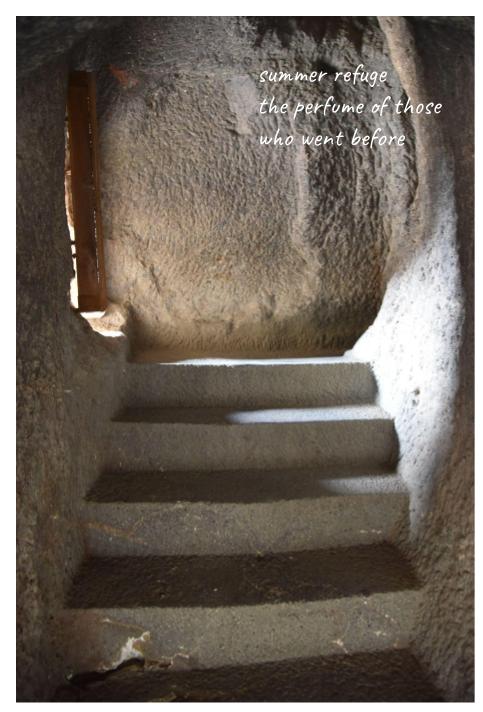
Refugees, seeking a safer place to live, demonstrate the strength and resilience of the human spirit. In this haiku, it is the scent of a refugee (or refugees) that we recognize in their absence. The word “perfume” seems to entail a strong scent that lingers. This haiku could also symbolize humility and frugality. With very few possessions, it seems refugees don’t leave many (if any) material objects behind. This makes me think: on our brief human journey of a lifetime, what are we leaving behind? What do we want to leave behind?

In turn, it seems the presence of a kind and compassionate human being is a gift that stretches far beyond material wealth. In the end, physically, we are all visitors on this Earth. The steps in the photo could be a symbol of human striving or steps in human growth/evolution. I think the long journey of refugees both spiritually and physically can redefine what truly is home. 

Jacob D. Salzer

First, I would like to say that I enjoy the shading and light in the photograph. Also, the textures in the wall and steps make it an intriguing capture. The font for the haiku is appropriate for the subject matter and matches the atmosphere of the photograph.

The seasonal reference (kigo) is in the first line with “summer refuge.” We can guess that the summers where this haiku takes place are exceptionally hot. It might even be in a desert. The poet and photographer being both from Australia can make readers think it might be in the Australian outback. This photograph could indeed be a summer refuge made by Australian Aboriginals to combat the outback heat. In this context, the last line referencing possible ancestors could gain more meaning.

There is no punctuation in the haiku (kireji), but there is a clear delineation of the two parts of the poem by a grammatical shift from the first and second lines.

How the two parts of the haiku combine and interact (toriawase) is pleasant in its melancholy. With summer being a happy and chill time, in this space of sanctuary, there are the remnants of ancestors. Whether this is a joyous or sad happening is up to the reader. “Perfume” is used interestingly in this haiku, as the poet could have easily written “scent.” “Perfume” is a much more endearing word that could have multiple meanings. But overall, this haiku could have an intermixing of emotions or be about a silent celebration of ancestors still with us.

Looking at how the lines are laid out, the pacing approximates the Japanese traditional rhythm of short/long/short.

The diction is in line with haiku principles of simplicity and brevity. It is also important that the poet left space for the reader to ponder through her choice of words.

In terms of sound, the letter “r” is especially important. With four instances and in every line, “r” gives a hard edge to the haiku that connects to the walls and steps in the photo.

Ultimately, this photo haiku (shahai) expresses inexplicable emotions with grace. Though the image and haiku might be endemic to Australia, it is written in a universal way.

Nicholas Klacsanzky