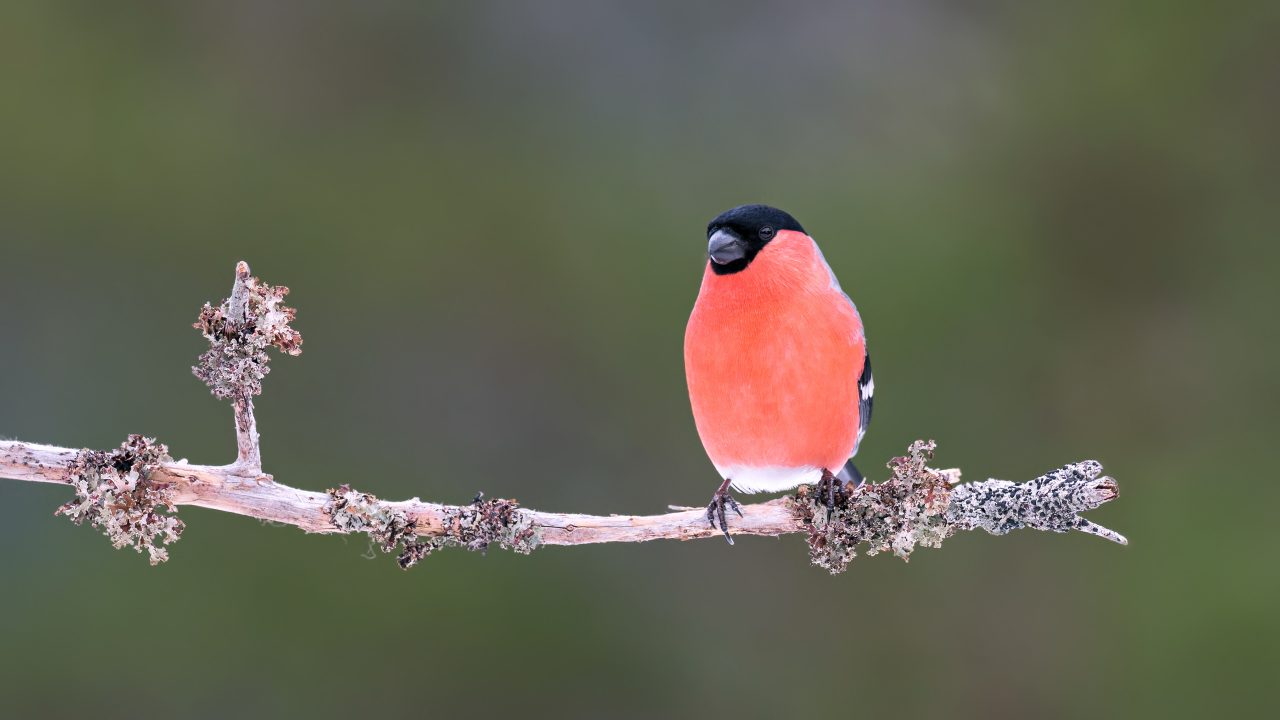
Negotiations —
owner, bank, architect, notary,
and now this mosquito…
— Antoine Cassar (Malta)
Commentary from Jacob D. Salzer:
As humans, we are frequently faced with negotiations, but this haiku also has a humorous twist in the last line, which I appreciate. It seems the poet’s sense of humor in this haiku may be a kind of coping mechanism among frustrating and/or challenging situations in life.
Another unique feature of this haiku is the poet’s use of punctuation. We have an em dash, four commas, and an ellipsis, which is rarely seen in a single haiku. I think the many forms of punctuation amplify a drawn-out, elongated effect, which seems to give the impression that the poet may be tired of negotiations and wants more peace and silence. Indeed, some negotiations also go on for quite some time. For example, competing for the ownership of a house can involve several negotiations regarding the mortgage payments and the down payment.
In short, this is an interesting haiku that blends humor with the heavy financial decisions, negotiations, and struggles that many of us face in modern life.
musical notes
across the power lines
spotted doves
— Tuyet Van Do (Australia)
haikuNetra, issue 1.2, 2023
Commentary from Nicholas Klacsanzky:
I prefer haiku that employ pivot lines, and this one delivers. “Musical notes across power lines” is a neat phenomenon to imagine. However, it can turn morbid if we imagine the doves are getting electrocuted and there is sound coming from that occurrence. “Across the power lines, spotted doves” is much more tame, in my opinion, as it sees the doves adding their songs to the hum of electrical lines. This interpretation makes a connection between nature and the human world.
This haiku is also pleasant to the ear, with the strong presence of “o” and “s.” It is paced well, too, with the traditional short/long/long rhythm. Also, with only eight words, the poet focused on brevity and the economy of language. In addition, the poet made sure the poem didn’t lean into verbosity. Overall, this haiku combines a variety of poignant interpretations with technical accuracy in its craft.
where school ends wildflowers
— Srini (India)
haikuNetra, issue 1.4, 2023
Commentary from Hifsa Ashraf:
This simple monoku says a lot in four words. I see it in terms of time and space. It starts with a question that lets us pause and think about the space or place. The school may be in a remote area, a war-affected domain, a refugee camp, or a city/town. The location is significant in this case. I see it as a war-affected area or a refugee camp where it’s unpredictable what will happen after school or where learning and knowledge will take a student. ‘School ends’ doesn’t mean anything certain in the future or ‘school ends wildflowers’ may lead to something specific. Another aspect could be a school where a person rejoices in a carefree life, and when it comes to an end, the worries or anxieties about the future start coming.
I like the way the poet ends it with ‘wildflowers’—something I often use in my poems, and it’s the title of my micropoetry book on refugees. ‘Wildflowers’ show both abundance and abandonment here depending on how we read it i.e. ‘school ends wildflowers’= abundance or ‘school ending at wildflowers’= abandonment. So, it can be an opportunity for a new life or a new beginning. It could also display a hope for abundance. On the flipside, it could demonstrate abandonment in a real sense where someone may get stuck with a career or responsibility, or remain directionless like wildflowers. Ultimately, I take it as something positive irrespective of the location or situation of the school or personal experiences associated with it.
 Haiku Commentary