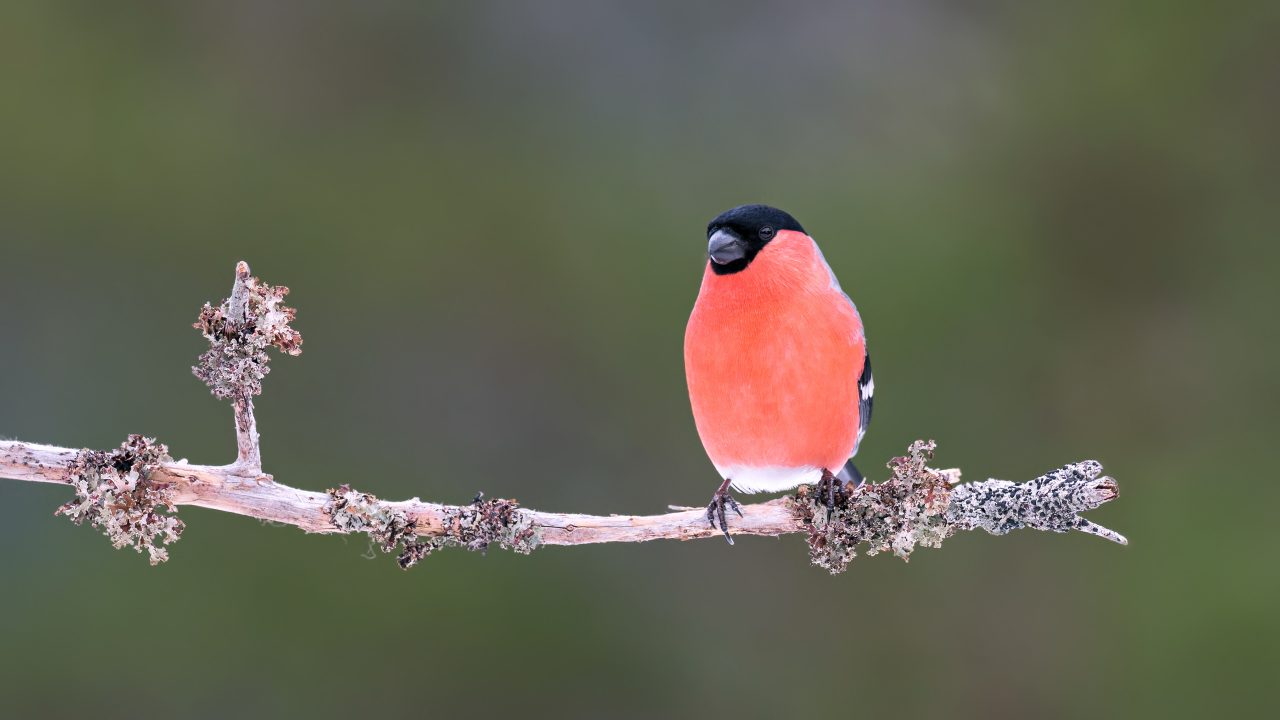
Haiku by Michael Shoemaker, Anthony Lusardi, and Richard L. Matta

morning campfire smoke
curls and rises above pines
meadowlark’s sing-song

Michael Shoemaker (USA)
Under the Bashō, June 24, 2024

Commentary from Hifsa Ashraf:

The first line of this 5/7/5 haiku tells us the time and space where one can directly imagine the whole scene before going into the details. A morning campfire can be used for warming the ambience, a get-together, cooking, etc. In any case, a campfire usually is a sign of lively activities. Adding smoke makes this haiku a bit more profound and mystical. Is it just smoke and no fire? Does it happen before or after the fire? 

The second line is more focused on the details of the smoke, curling and rising above the pines. This leaves our imagination to run wild and to think of the shape, structure, intensity, and smell of smoke. The second line could be about how smoke overshadows nature. It may be a sign of air pollution adding toxicity to the pines, which is a symbol of purity.

The meadowlark’s sing-song could be a sign of alertness depending on the pitch. For me, it may be more like a complaint or a reaction to smoke/pollution—probably in the form of a sad melody we commonly ignore. The other aspect to consider is how nature responds to our acts of toxicity with sweet melodies. The meadowlark’s song demonstrates resistance and determination in the form of music and voice.

This haiku, in its simplicity, describes a story of our actions to spread pollution and toxicants and nature’s response to it.

gloaming . . .
a spider clings to                
her egg sac

Anthony Lusardi (USA)
tsuri-doro, issue #19, Jan/Feb 2024

Commentary from Jacob D. Salzer

“Gloaming” means twilight or dusk, but it can also mean sullenness and melancholy. I appreciate how this haiku shows a mother’s love and protection with the verb “clings” and the egg sac. The mother spider is protecting her eggs from something or perhaps many things. We don’t know what dangers might be present for the spider and her eggs, which opens the door to our imagination. Dusk or twilight effectively sets the mood and atmosphere of the poem, as light fades into darkness. With that in mind, this haiku might have a somewhat haunting atmosphere as what is visible becomes invisible, yet there is still enough light for the poet to capture this moment. As the night deepens, we enter the Great Mystery. In short, this is an effective haiku that gives us a glimpse of a mother’s love for her soon-to-be children, which can apply to other creatures, insects, and mammals as well.

pinewood derby
still missing the weight 
of dad’s touch

Richard L. Matta (USA)
1st Place Senryu, Kaji Aso Studio, 35th International Haiku Contest 2024

Commentary from Nicholas Klacsanzky:

This senryu tapped into my memories, as I participated in pinewood derbies when I was a young lad with my father. More than that, this senryu uses the word “weight” effectively to have a double meaning of the physical weight of the cars and the emotional/spiritual weight of a father’s presence. “Missing” could imply that the poet’s father has either passed away or is out of contact—leaving that justly up to the reader to interpret.

I also enjoyed the sound in this senryu, with the letters “o” and “w” prominently featured. The instances of “o” contribute to the senryu being slowed down and savored, whereas “w” manifests an airy feeling to the poem. In my opinion, both of these attributes complement the context in which the senryu is written. Lastly, the senryu is efficiently written with only nine words, simple language, and excellent pacing in the line breaks. It is clear why this senryu won an award: it not only resonates with readers effortlessly but also demonstrates a keen understanding of the technical aspects of senryu.
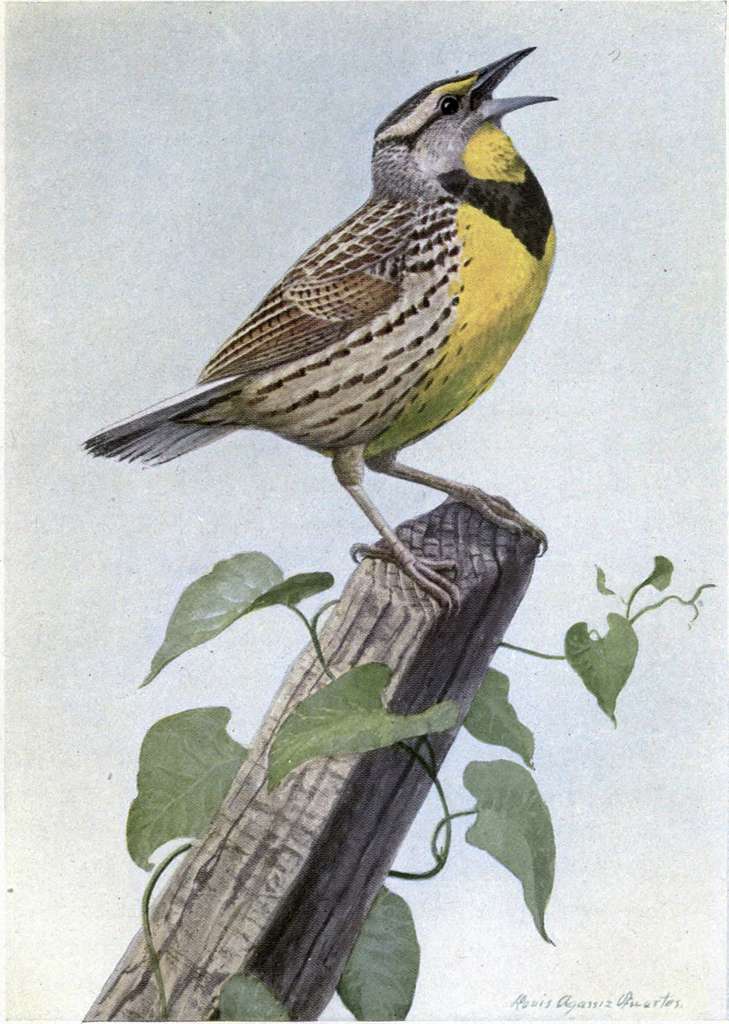
Illustration by Louis Agassiz Fuertes of an Eastern Meadowlark (Sturnella magna), from The Burgess Bird Book for Children (1919)
Haiku from Kelly Sargent, W. Barrett Munn, and Fatma Zohra Habis

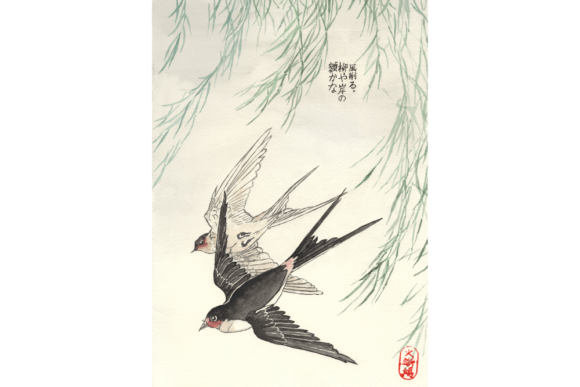
winter sky swallows the words I can’t take back

Kelly Sargent (USA)
Cold Moon Journal, March 2024

Commentary from Hifsa Ashraf:

A winter sky stays dull and dim but remains open to wild imagination. This monoku reflects various shades of a winter sky when we read it in one go. I focused on the first three words for a while, which can be read in three ways: winter/sky swallows, winter sky/swallows, and winter sky swallows.

The repetition of ‘s’ and ‘w’ sounds makes it more interesting to read and interpret. Sky swallows usually reflect loyalty, a new beginning, hope, transformation, and more. It seems it alludes to a murmuration that is getting the poet’s attention due to its shapeshifting, shades, shadows, and sound. The use of ‘swallows’ makes this monoku more profound and dynamic. The swallows in the sky could indicate the end of the winter as well which commonly is related to positive outcomes.

The second part of this monoku takes this monoku to another aspect that is more personal and profound. It looks like a mirror reflection of the first part of the monoku. When I read it as a whole, ‘the words I can’t take back’, it gives me a feeling that the person wants to express all that follows the murmuration in the winter sky. ‘the words’ is a catch here as they may reflect personal experiences that are either positive or negative.

If I read the second part of this monoku with the central word ‘swallows’ that juxtaposed this poem, it looks like the person is still in conflict.

“winter sky” is a ground where the poet masterfully displayed profound feelings and thoughts, while allowing readers to find as many interpretations as possible. It is a good exercise for the brain and heart to solve the mystery of this haiku.

no headstones;                         
buried all across the south
remains of slave ships

W. Barrett Munn (USA)
Haikuniverse, January 9, 2024

Commentary from Jacob D. Salzer

An important haiku that shows part of the darker history of the U.S. This haiku transports us back in time, yet we can still feel the consequences of slavery today. I can feel the unbearable weight of colonialism and capitalism when I read this haiku. It is unfathomable in my eyes to imagine being a slave or a slave owner. Some people who are buried are not always remembered with a designated tomb or headstone. This haiku conjures up several questions that we can ask ourselves: What else dwells beneath the ground that we walk on every day? How much of history is skewed, buried, or not documented? How can we preserve history to the best of our abilities, so that we, collectively, can (hopefully) learn and grow and not make the same mistakes? What are examples of modern-day slavery and what are the consequences? How many consumers are conscious of where their products come from? How many people know the origins of the things they buy? How many are aware of the working conditions in various factories? How many of us are open-minded to life after death? Where does karma originate? What is the nature of the soul? Despite the horrifying history, I appreciate how this haiku shines a light into the dark and lets us attempt to see those who are not seen. 

this morning
in the shell hole
lone bud

Fatma Zohra Habis (Algeria) 

Commentary from Nicholas Klacsanzky:

I enjoy how the second line interacts with the first and third lines. It can be read as “this morning in the shell hole/lone bud” or “this morning/in the shell hole lone bud.” The phrase “shell hole” makes me imagine both an ammunition shell and a shell from the sea. Both interpretations are valid and intriguing. Perhaps, though, morning and a bud connecting with ammunition is more poetic.

“lone bud” could refer to early spring or late winter, when buds are either just coming up or leaving for the time being. With “morning,” I get the feeling it could be the start of spring. This provides the haiku with a tone of hope. Ultimately, I believe it expresses that like the morning, new beginnings arise even in the most difficult of times and that life goes on even through the passed.

Another striking element of this haiku is its sound. The strongest sound comes from the letter “o,” which could represent a hole in its own right and demonstrate a soothing atmosphere to the poem. Also, with only eight words and the traditional rhythm of a short line/longer line/short line, the poem is economical and effective. The poet, I believe, rightly did not add punctuation, as it could have detracted from the flow of the pivot line and would have stood out too much. The haiku presents a simple image but has poignant overtones that can take the reader to different symbolistic places.

Painting by Daria Melantova

Haiku by Alan Summers, Royal Baysinger, and Nisha Raviprasad

the last one melting
in the snow-jerk’s grip 
cola float 

Alan Summers (UK)
The Pan Haiku Review Issue 2, New Year’s Eve/Winter 2023 
A Kigo Lab, Special ed. Alan Summers

Commentary from Nicholas Klacsanzky:

What initially drove my interest in this haiku is its unique kigo, or seasonal reference. In the poet’s own words: “After “Soda jerk” a term used for a person who operated the soda fountain in a drugstore, preparing/serving soda drinks & ice cream sodas. A snowjerk is a snow chaser, as the snow decreases in some geographical areas, and increases in other areas. Snow will soon be like diamond dust.” This reflects the effects of climate change.

The first two lines could be interpreted in at least two ways. It may connect to the cola float mentioned in the third line, or an unnamed iceberg or ball of snow. I believe this haiku points to the irony or sadness of a snowjerk melting ice, snow, or a float with their hands. This melancholy is contrasted with the sweetness of the cola float.

There is a fine euphony occurring in the haiku with the “l” and “o” sounds. Also, the pacing of the haiku aligns well with the original Japanese rhythm of this art form. Lastly, though the kigo is unique, the language itself is accessible. Overall, it’s a haiku you have definitely never seen before with pressing topics built in, which makes us pause and ponder.

a dog
gnawing its bone
— re-reading her letter

Royal Baysinger (Canada)
Modern Haiku, 54.2 (Summer 2023)

Commentary from Jacob D. Salzer:

As with many powerful haiku, complex emotions are implied in the first two lines through the “show not tell” method. In addition to re-reading the letter, there is repetition in the act of gnawing. The em-dash also provides a weighted pause, which adds emotional weight. The fact that the poet is re-reading this letter also tells us that it has heavy emotions within it. As readers, we can likely relate to this experience or enter our imagination in this haiku in our own way. 

Using simple words, this haiku has a powerful juxtaposition that balances concrete imagery with mystery. It has room for the reader and is relatable. In short, this is an effective haiku that focuses on the layered complexity of relationships.

ragwort sprouts…
mother pats her wrinkles
with a gentle sigh

Nisha Raviprasad (India)
Under the Basho, June 1, 2024

Commentary from Hifsa Ashraf:

We all try to compare and contrast many things in our surroundings to justify or satisfy ourselves. In this haiku, the poet relates ageing with the leaf structure of ragwort sprouts which are wavy and wrinkled.

Mother, who is patting her wrinkles with a gentle sigh, is perhaps indicating her feelings of satisfaction that she is not alone. Though her skin is changing, other things in nature pass through similar transformations right from the beginning. The words ‘pat’ and ‘sigh’, though, perhaps show signs of satisfaction and motivation that she gets after seeing ragwort sprouts. There may also be a comparison between the poisonous nature of ragwort and changes in mood, thoughts, and feelings due to ageing that become more cynical or bitter. As ragwort causes skin allergies, I can see an element of fear here where the mother makes herself content by assuring herself that her skin is still healthy despite dangerous risks in her vicinity. She may be trying to accept ageing and adjust to it positively. 

Looking at the sound, the letter ‘w’ could indicate the continuous thought process of ageing that can be satisfactory or dissatisfactory.

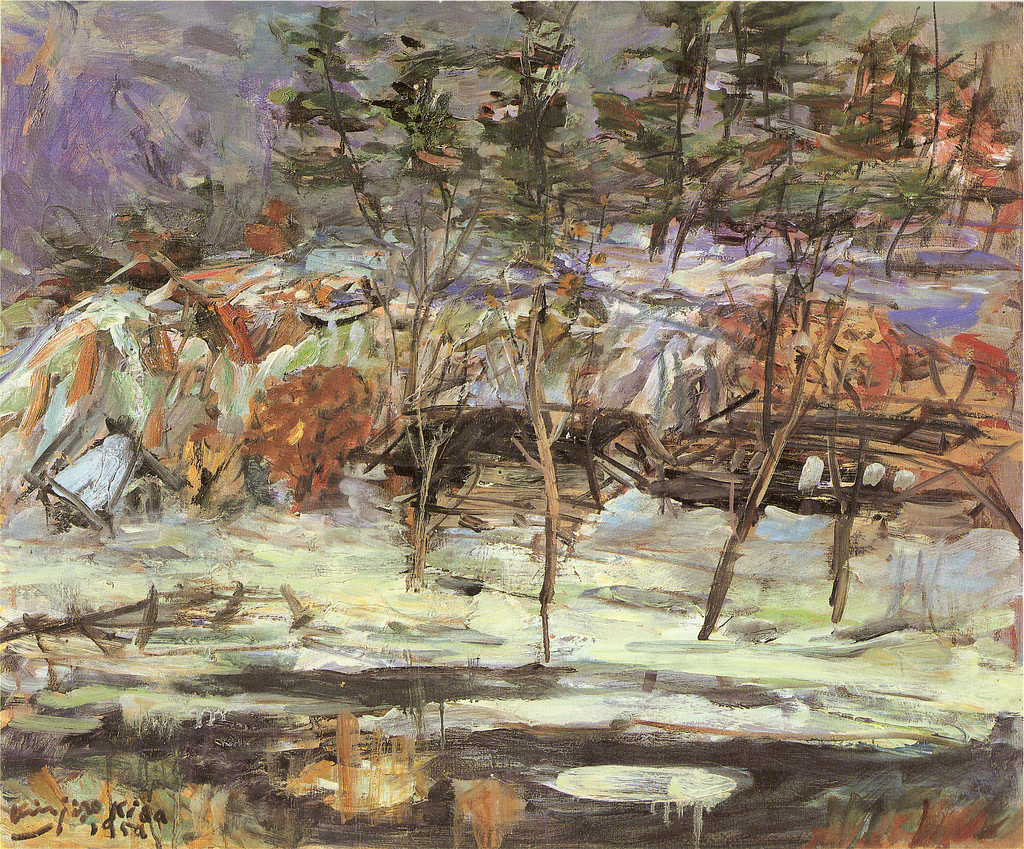
Kida Kinjiro, 1959, “Melting of Snow in Thinned Copse”