
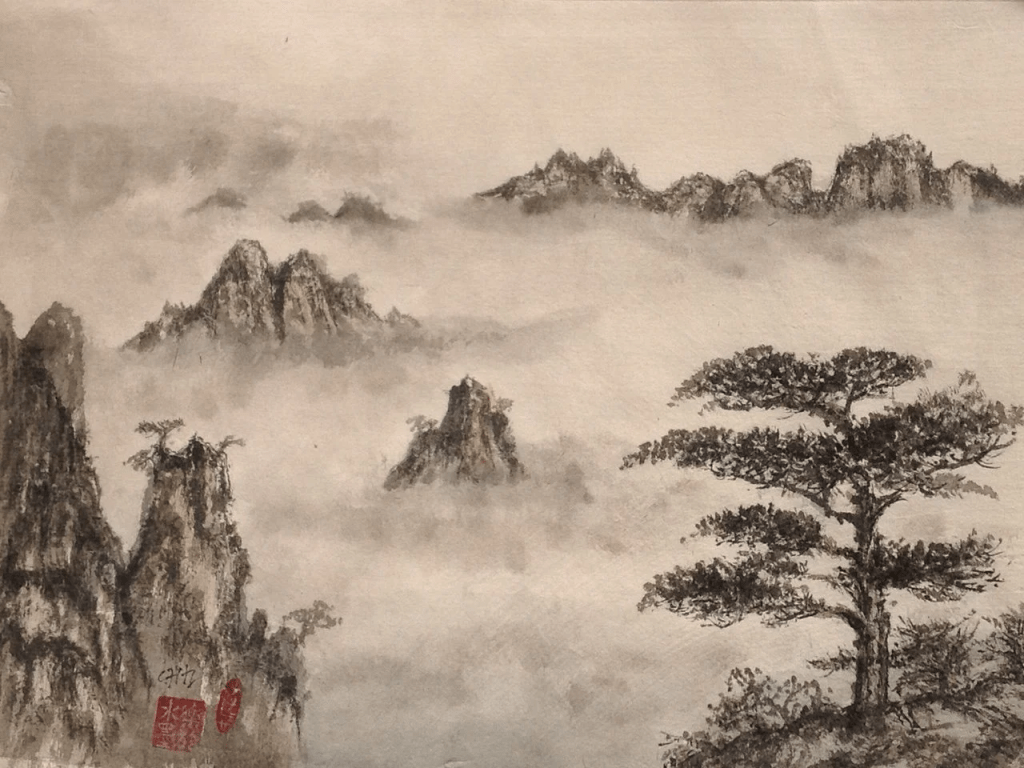
morning fog—
a crow’s cry piercing
the layers of light
— Anne Kulou (Germany)
Commentary by Nicholas Klacsanzky:
I have a soft spot for morning fogs and crows, so this haiku gravitated towards me. The ellipsis in the beginning grounds us in the scene, allowing the reader to imagine a beautiful, yet mysterious fog. “Fog” is a double entendre, lending to interpretations about the fuzziness of the mind and other psychological disturbances, such as the “fog of war.”
No matter if the fog is literal or figurative, the crow’s cry cuts through it, even in the calmness of the morning. The word “cry” is intriguing, as it humanizes the crow. We usually associate this magnificent bird with “caw” and something abrasive. But “cry” prompts us to feel sympathy, if not empathy, for the crow.
Morning fogs and crows point towards autumn. It is a time of sparseness, with just a little light coming through. Even that minuscule amount of brightness is sliced through by the cry of the crow, which highlights or intensifies the sense of autumn.
The power of this haiku centers around its vivid imagery, the play between sound and light, and the embodiment of the season. It also reads well, with open sounds in “o” and “i” strung throughout. These pleasant letters are contrasted with the stronger letters in “r” and “g,” which connect with the juxtaposition of fog and the cry of a crow that runs through it. The pacing of the lines is also measured and weighty, like walking through a fog.
This haiku brings back awe to common themes, which is a mark of knowing tradition well and utilizing our creative spirit.
siren song
as a fire station
empty boots
— Elliot Diamond (USA)
first published in The Pan Haiku Review Issue 2 (Winter 2023), Kigo Lab Special, ed. Alan Summers
Commentary by Jacob D. Salzer:
This is an important haiku that gives us a glimpse into the life of firefighters. This haiku seems to have a haunting quality, as the siren song could be the silence of the fire station itself. Even in the silence, we can hear the echoes of the siren. The siren song could also be exemplified by the red color of the fire station. It is interesting to include the word song in this haiku. This seems to give the siren added dimensions. It is no longer merely a siren, but a kind of song that seems to honor those who have left the occupation or passed away. It is a sound that marks the urgency of fighting a fire. There is no time to waste.
We also don’t know why the boots are empty. A firefighter could have retired, he/she/they could have left the job for another occupation, or the firefighter could have passed away. In all three scenarios, the darkness of the empty boots allows us to step into the shoes/boots of the firefighter, even for a moment. Regardless of our interpretations, this haiku shows the inherent dangers of being a firefighter, the sheer courage and strength it takes to be on the front lines of several fires, and the consequences. Indeed, firefighters sometimes risk their lives to save others. Additionally, this haiku may inspire readers to learn more about how to prevent fires, fire safety, and what to do during wildfires.
Interestingly, Indigenous Peoples have long known the importance of controlled fires to prevent wildfires. These controlled fires also allow ashes and nutrients to supplement the soil. I think we should take the time to learn from Indigenous Peoples who are excellent caretakers of the Earth.
This haiku first appeared in The Pan Haiku Review Issue 2 (Winter 2023), edited by Alan Summers. One unique aspect of this journal is Alan’s inclusion of additional context around certain poems. For this particular haiku by Elliot Diamond, Alan adds:
“What is the life expectancy of a firefighter in the United States? Life expectancy for firefighters is 10 years less than for individuals with other occupations. The frequency of leaving the job due to health problems was 60% higher among firefighters than among individuals working in other industries.
Seasonality and Coronary Heart Disease Deaths in United States Firefighters: https://www.ncbi.nlm.nih.gov/pmc/articles/PMC3756551/
The September 11 attacks (New York City 2001) 9/11 by the numbers: 8:46 a.m. and 9:02 a.m. Time the burning towers stood: 56 minutes and 102 minutes. Time they took to fall: 12 seconds. From there, they ripple out. Number of firefighters and paramedics killed: 343 September 11 by Numbers New York Magazine Despite advancements in DNA technology, roughly 40% of the victims (1,100 people) thought to have died in the disaster, remain unidentified. CNN September 2023″
In summary, this is an important haiku that provides a window into the life of firefighters. I sincerely thank all firefighters who put their lives on the line. They have a heart of compassion and will attempt to save anyone, regardless of their race, ethnicity, gender identity, or background.
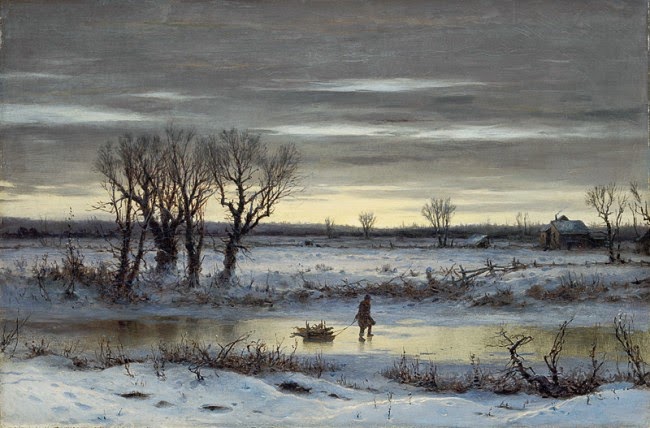
winter air
the fleeting shapes
of our breaths
— Małgorzata Formanowska (Poland)
22nd Annual UKIAH Haiku Festival: Honorable Mention for the Jane Reichhold International Award
Commentary by Hifsa Ashraf:
This haiku captures a quiet moment in cold winter, phrased in a way that makes us feel it to our core. “Winter air” may be referring to the extreme cold that may occur before or after rain or snowfall. It is something invisible but still shows its existence in mysterious ways, i.e., breath clouds. The poet showcases the moment of visibility of the air in an imaginative way, where it suddenly takes shape briefly before it disappears. The yugen and ephemeral elements of this poem make it interesting, while also being easily relatable.
“The fleeting shapes” show the transience of life. Things come and go quickly, leaving a deep impact on our lives. Fleeting shapes may allude to the possibility that there are two persons in close proximity who are not only enjoying the warmth of their breath but also the shapes that it creates in dense air, which can intermingle and overlap with each other. It may also reflect melancholic feelings, with the person being alone and enjoying the shapes of breath even in chilly weather, or being so focused on something, and then the poet gets distracted by the shapes of breath. In any case, it is a subtle awareness where breath is a symbol of life, and seeing it appear and disappear in winter air evokes the fragility and temporary nature of existence.
Looking at the sound, the frequent use of vowels in this haiku emphasizes the subtle connectivity that exists in moments but leaves strong effects behind.
Sumi-e by Carolyn Fitz
 Haiku Commentary