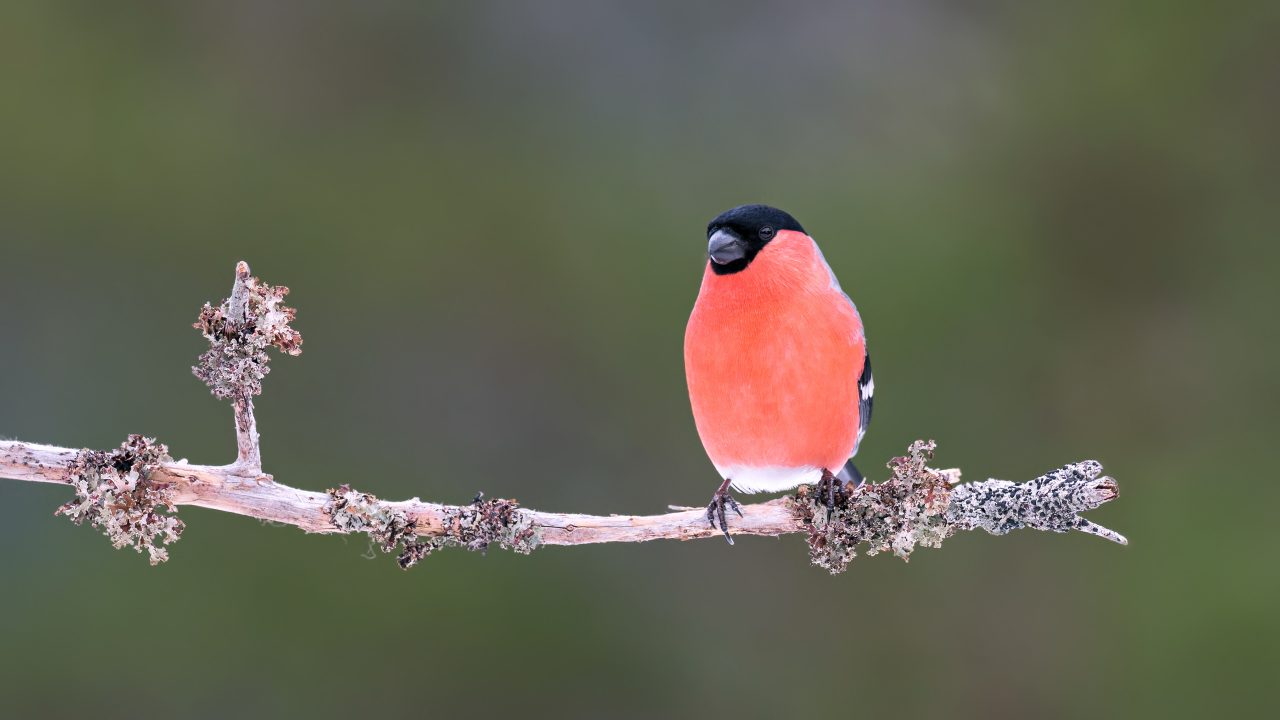
filling
a broken flowerpot
soft sunlight
— Marilyn Ward (UK)
(previously published in Hedgerow 134, March 2021)
Commentary
The subtle side of nature often reflects through our lives, especially when it comes to filling a void or mending flaws. Nature is our best companion that inspires us to live with hope and resilience. It also teaches us how things, even flawed, are useful for us and others.
This haiku is a great example of wabi-sabi where nature itself is healing its own elements and mending its flaws. It’s a lesson that even if we are completely broken, we should not lose hope, and find ways to move forward by self-healing. I also see mysticism in this haiku that reminds me of a saying of Jalaluddin Rumi which says:
“The cure for pain is within pain.”
Let’s keep the soft sunlight of kindness, compassion, and love to heal our flaws. This is how nature teaches us by demonstrating daily that there is no other way of obtaining inner peace.
— Hifsa Ashraf (Pakistan)
I like the mood in this haiku. We don’t know why the flowerpot is broken. I like how this brings mystery to the poem and makes me feel the haiku is part of a larger story. I also like the notion that when something is broken it can create new growth and opportunities. In that sense, I like the metaphorical power of this haiku. The broken flowerpot could be a symbol for a divorce or a breakup that is, at the same time, the start of something new.
This haiku also brings to mind the Japanese art of kintsugi. “Poetically translated to ‘golden joinery,’ kintsugi, or Kintsukuroi, is the centuries-old Japanese art of fixing broken pottery. Rather than rejoin ceramic pieces with a camouflaged adhesive, the kintsugi technique employs a special tree sap lacquer dusted with powdered gold, silver, or platinum.” (Source: https://mymodernmet.com/kintsugi-kintsukuroi/)
With kintsugi in mind, I like how the sunlight in this haiku serves as gold lacquer, filling the cracks and empty spaces in this flowerpot. From this perspective, I like how the broken flowerpot is made whole again. But even when the sun sets, I appreciate seeing the broken flowerpot alone with a wabi-sabi aesthetic, which roughly translates to finding beauty in imperfection and what is transient. I appreciate this notion of seeing beauty in the broken flowerpot versus seeing it as only something that needs to be “fixed.”
Contrast is a technique found in some haiku and, in this case, I think it works very well. I like the 3 contrasts I see: 1) between the hard edges of the flowerpot and soft sunlight, 2) between something broken and something that is whole, and 3) between the loud sound of a flowerpot breaking and the quiet sun. In terms of contrast, the main interpretation I receive is: no matter what is broken in our lives, the power of compassion and gentleness has more depth and seems to last beyond what has happened. This haiku also shows me that the sun is more powerful—and will last longer—than anything that is made and invented by humans. In either interpretation, I feel there is a spiritual quality to this haiku that brings me hope and reassurance.
In short, this is an emotional haiku with psychological, metaphorical, and spiritual power.
— Jacob D. Salzer (USA)
Jacob and Hifsa have explained the meaning of this haiku and the aesthetics therein well. I will now discuss the kigo (seasonal reference), pacing, sound, and word usage.
“soft sunlight” and “flowerpot” seem to point to spring. This connects well to the theme of renewal through kintsugi. The lightness of the haiku also aligns well with spring.
The poem follows the common English-language haiku format of a short first line, a second longer line, and a short third line. This is supposed to approximate the rhythm of traditional Japanese haiku.
The most prominent letter in this haiku is “f” in “filling,” “flowerpot,” and “soft.” The first two “f”s bring starkness while the third comes with a delicateness. More soft sounds present themselves with “o” in “broken,” “flowerpot,” and “soft.” The musicality of this haiku manifests a positive tone.
Simplicity and concision is seen in the vernacular used in this haiku. Haiku regularly avoid formal and academic language, and aim for brevity. This is exactly what the poet followed.
A haiku that is at once emotional, philosophical, and direct. It lends much to the reader in terms of resonance.
— Nicholas Klacsanzky (USA)
 Haiku Commentary