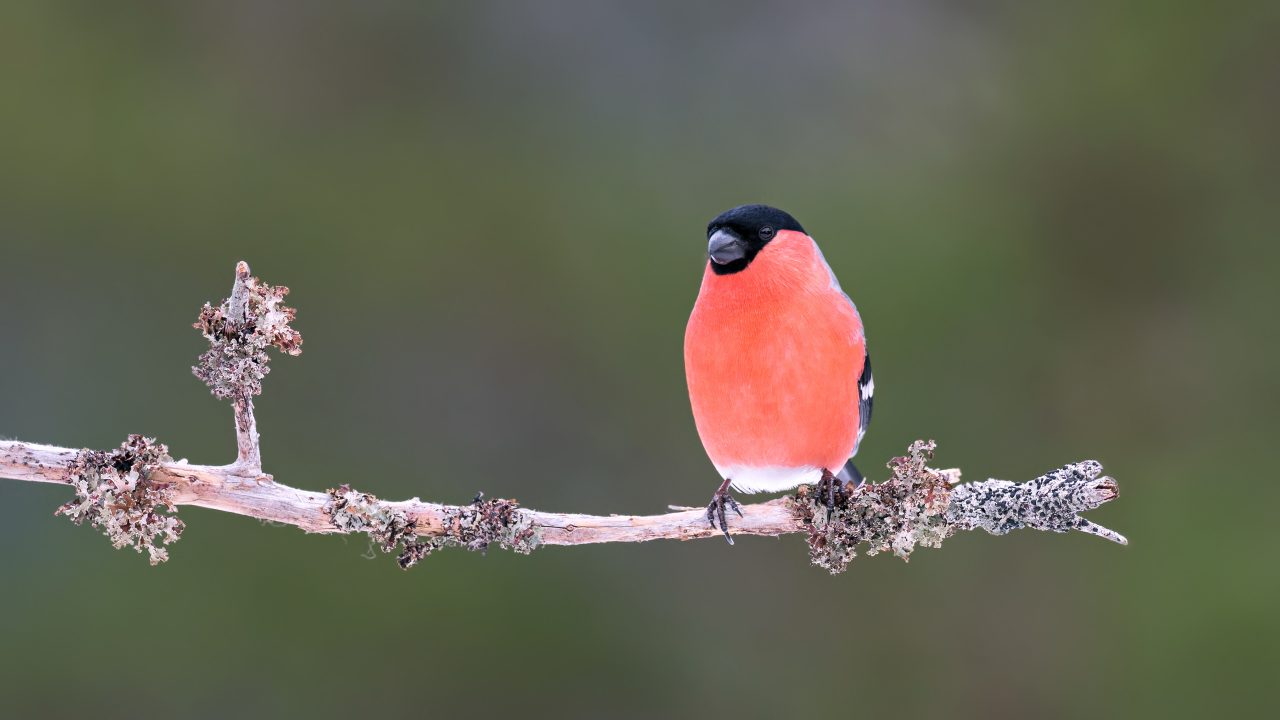
mountain spring
the bottomless cup
of my hands
– Martha Magenta (UK)
Stardust Haiku, issue 30, June 2019
This post is a tribute to Martha Magenta, who has recently passed away this year. She was an award-winning poet, an integral member of the haiku community, and a person that mentored many aspiring poets. Please read her collected works on her blog.
The opening line of this brilliant haiku takes us to the refreshing sound of water that is flowing freely. The mountain spring creates mystical feelings of selflessness and focus. The bottomless cup is a bit of a twist in the story where both words are used to take the readers from the mountain spring to the self with empty hands. So, it’s all about giving not gathering, praying not begging, saying not asking.
I could relate this haiku to Sufi practices where cupped hands are supposed to be saying a prayer and connect with the almighty at the level where there is no desire for worldly needs. The subtle feelings of flowing water, mystical conditions, and the self make this haiku more profound with deeply personal experiences of meditation and self-discovery.
– Hifsa Ashraf (Pakistan)
Both the mountain spring and the poet’s hands seem infinite in their capacity. But, one is giving and one is receiving. However, it seems Martha felt the connection between her hands and the mountain spring while quenching her thirst. Maybe she felt that, like the flowing water, her hands could be a conduit for nourishment.
In terms of the season, I feel this is either spring or summer, when drinking from a mountain spring would be most satisfying.
Looking through a technical lens, the lines are paced in the traditional way English-language haiku are written: a short line, a long(ish) line, and then a short line again. No punctuation is given but I think none is needed in this poem. Martha also leaned towards a style of less punctuation.
Sound plays a significant part, as the “o”s, “n”s, “i”s, and “m”s all create a musical reading. In particular, the “n”s supply this haiku with a sense of dignity and eloquence.
This is one of many great haiku by Martha Magenta. I hope this post inspires readers to dive more into her work.
– Nicholas Klacsanzky (USA)
 Haiku Commentary