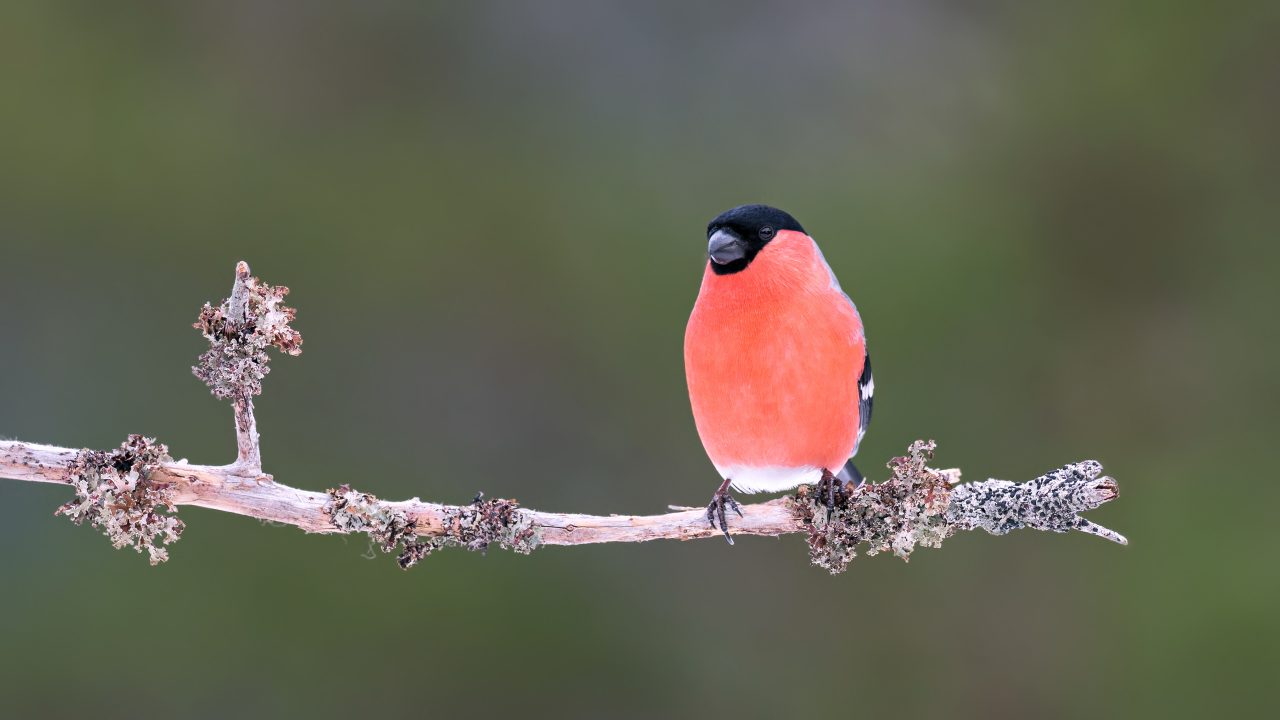
Haiku by Rowan Beckett, Anne Morrigan, and Alexander Groth

stars on stars ever growing my boyhood

Rowan Beckett (USA)
Prune Juice, issue 40, 2023

Commentary from Nicholas Klacsanzky:

Having the haiku as one line adds more interpretations to it. It can be read in these ways: “stars on stars/ever growing my boyhood”; “stars on stars ever growing/my boyhood”; “stars on stars/ever growing/my boyhood.” There is no wrong or right way to read it. I enjoy this aspect.

“stars on stars” might be a seasonal reference to winter. In this season, it is easiest to see the constellations and brightness of stars. This reference contrasts poignantly with “ever growing my boyhood.” Winter is not normally associated with growth, but this haiku demonstrates that even in the coldest times, spring can happen.

Looking at the sound, the first thing I noticed was the multiple r’s. In my opinion, this sound gives the haiku more oomph and sharpness, while the o’s elongate the reading and suggest growth.

With only seven words, the poet creates many reverberations and resonances. The right balance was made: it’s hard to imagine the haiku improving from its already powerful self by adding or taking away a word.

dawn canal 
the oarsmen draw 
a new horizon

Anne Morrigan (Canada)
Poetry Pea Journal, 1:23, 2023

Commentary from Jacob D. Salzer:

I appreciate the metaphorical value of this haiku, the clear imagery, and its meaning. This haiku shows the importance of teamwork which can create more possibilities than anything one person can do alone. The new horizon formed by their oars could be seen as a hopeful future when we work together as a community or as a team. The men in this haiku are connected with the water, which also inspires community. In addition, the dawn marks a new beginning and a hopeful future. In short, this is an inspiring haiku that shows the importance of teamwork and our connections with the Earth and each other.

cherry blossoms bloom
a distant memory of
my former winter

Alexander Groth (Germany)
5-7-5 Haiku Journal, May 9, 2024

This traditional haiku on cherry blossoms made me smile because of its format. The first line emphasizes the blooming period—maybe early spring or the end of winter. The time of blooming matters as it inspired the poet to reminisce about a memory of the former winter. This haiku is one of the best examples of showing a strong bond between nature, especially two seasons (spring and winter), and personal experiences i.e. a memory. 

In this poem, the connection between the blossoms and memory is deep yet remote. The distant memory shows something fading due to forgetting or returning to the conscious mind. The second line ends at ‘of’—a cutting word that gives a double meaning to the theme if we read it like this: ‘a distant memory of(f)’. In both cases, the cherry blossoms either made the memory fade away or refreshed it.

The closing line hints about the season or period which is ‘former winter’—a season when quietness often makes people spend their time either being nostalgic.  It also depends on the kind of memory, which is not revealed in this haiku and is still a mystery. In any case, it is cherry blossoms that trigger what seems like a pleasant memory. The lack of punctuation makes this haiku more profound and open to many interpretations. 

ESA/Hubble & NASA
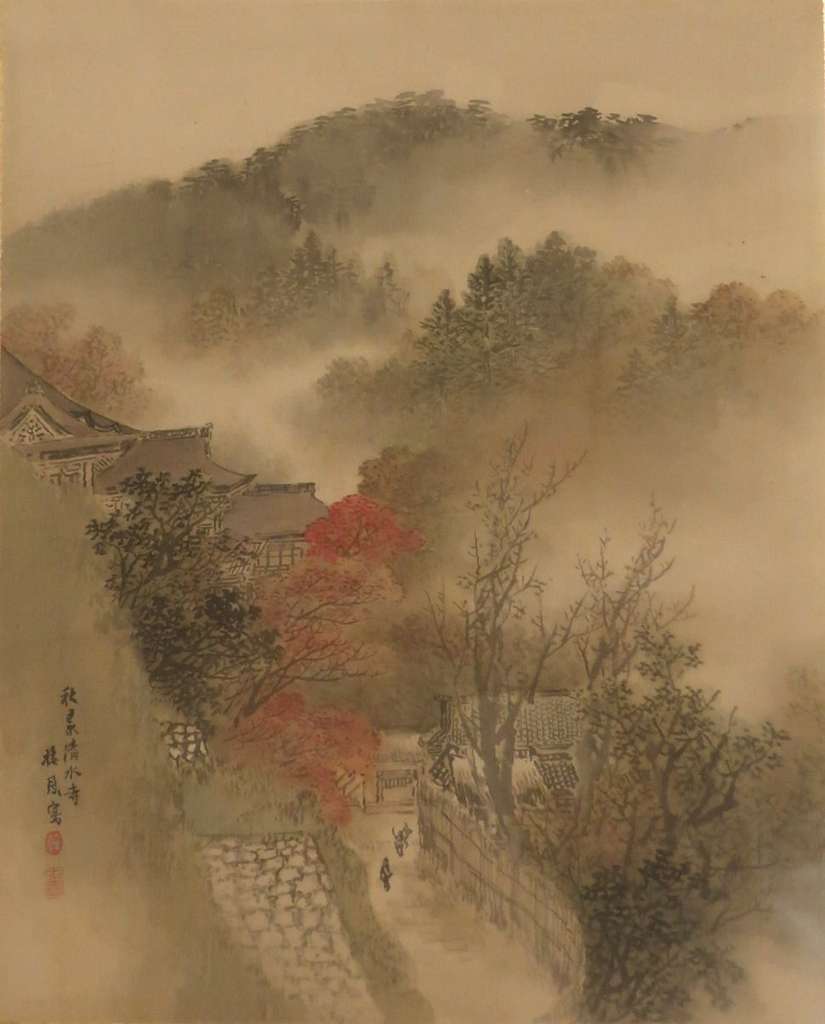
Haiku by Ivy Raff, Sushma A. Singh, and Daniela Misso

Mist runs fingers through
green tendrils of mountain hair
One soulmate? A myth

Ivy Raff (USA)

Commentary from Jacob D. Salzer:

I think the first two lines are original and interesting. They show what the third line tells. I appreciate the notion regarding the dangers of relying on one person to meet so many needs in life. Ultimately, I am averse to the idea of a soulmate, which seems to have become a cultural norm in the West. 

This is a 5-7-5 haiku. While there is nothing wrong with 5-7-5 haiku, I would encourage the poet not to be solely restricted to this format when writing haiku in English.

It’s also interesting to include questions in haiku. Most times, I feel leaving the question open to the reader is most effective. In this haiku, the question is answered, which may be too telling for some readers. Still, I feel the juxtaposition is strong. I think this haiku is an excellent start to a conversation about relationships, marriage, and divorce. An interesting haiku.

Here is a statistical article on divorce in the U.S.: https://www.forbes.com/advisor/legal/divorce/divorce-statistics/

summer visit
mother fits into
a smaller hug

Sushma A. Singh (India)
The Heron’s Nest, Issue 4, December 2018
Shortlisted for The Touchstone Awards 2018
Red Moon Anthology 2018

Commentary from Hifsa Ashraf:

Sometimes, we don’t need a lot of words to tell our loved ones how we are feeling about them. A heartfelt moment is enough to say it all.

‘Summer visit’ indicates vacation time or long days. Either way, the person wants to have spare time to spend with their mother after a long time. Summer days, especially in Eastern countries, are really hot and humid. People usually feel uncomfortable physically and mentally. They need someone around them who can soothe their feelings. Visiting one’s mother is mostly a profound experience where there is deep communication on both sides.

In this poem, we can see the power of non-verbal communication where simply a small hug can make a lot of difference and tell the whole story of her poor health. I also see other hidden aspects here i.e. departure, lonliness, grief, etc. that has a great impact on health. One can feel it if they visit that person after a while.

Lastly, the letter ‘m’ dominates in this haiku with some underlying feelings that are left unexpressed. 

a goodbye
lost in the wind
morning swallows

Daniela Misso (Italy)
Frogpond 46:3, Autumn 2023

Commentary from Nicholas Klacsanzky:

The first aspect of this haiku that I noticed was the pivot line. It can work for both the first and third lines. The two ways the pivot line can be read reveal potent meanings. The second thing that struck me was the sense of sound. The elongated “o”s in the haiku slows the pace and allows the reader to soak in the poem. The string of “o”s also brings about emotions, such as melancholy and sympathy.

With only eight words, the poet doesn’t waste anything. The words “lost” and “morning” are the most impactful, in my opinion. Both may be hints to the kigo or seasonal reference. This haiku could be about the migration of swallows and that being compared to a goodbye being said. In addition, it could be a contrast between the harshness of a goodbye and the joy of morning sparrows. Either way, this haiku strikes several emotional chords and is also technically efficient on top of that.

Kiyomizu Temple in Autumn by Yamamoto Shunkyo, 1891