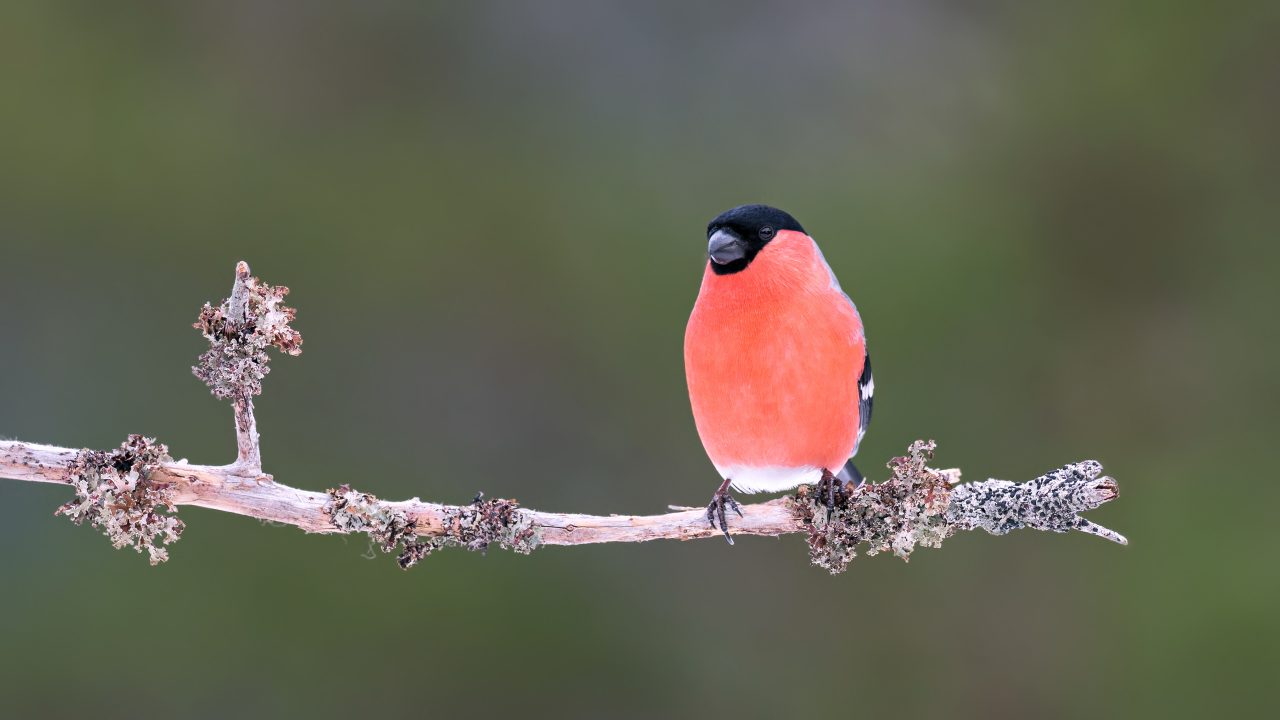
crescent moon —
the baby kicks
inside her womb
— Paul Callus (Malta)
Commentary
I appreciate how the crescent moon visually resembles the curve of the mother’s womb. There is a long historical and spiritual connection between women and the moon that can be traced back thousands of years in indigenous cultures. In the dark womb, it seems the seeds of unknown karma and samskaras (past mental impressions) are being brought to life.
I also see a playful quality in this haiku or lightness (karumi) when the baby kicks. At the same time, I appreciate how this haiku offers insights into life in the womb and how important this stage of life is. I’ve read that a baby in the womb can hear music, and this affects brain development. Classical music in particular has been shown to create more complex neural connections. The immediacy of kicks could also foreshadow the complex relationship between the mother and the child that develops over time.
In short, this is a dynamic haiku that expresses mystery (yugen), karmic impressions, and the complex relationship between a mother and her child. I also see this haiku as an expression of a mother’s unconditional love for her child. A powerful haiku.
— Jacob D. Salzer (USA)
As Alex Fyffe introduced me to a creative writing technique called synecdoche, so I see this haiku in that context where ‘the baby kicks’ represents the sign of a new life, hope, and connectivity.
This haiku revolves around all senses where the most obvious ones are sight, sound, and touch. The birth phase is beautifully related to the phases of the moon where the crescent moon symbolizes birth, the start of a new month, or a new beginning. If we dig deeper into this poem, we can find more analogies between the moon and the baby inside the womb i.e. delicacy, subtlety, and light. It seems the mother is keenly following the birth process where she counts every single day. It shows how excited she is about this new life and finds the kick to be a welcoming sign. The curve that is common in both cases may reflect the beauty of life that gradually passes through various phases before it’s in full bloom.
In a larger context, the relationship between cosmic objects with life on earth, especially human birth, is quite natural and interrelated. It shows the significance of the time and space we live in and how things are revealed to us during a new journey of life.
— Hifsa Ashraf (Pakistan)
Jacob and Hifsa explored the meaning and aesthetic of this haiku in great detail. I will dabble in the technical side of this haiku a bit more.
The kigo or seasonal reference of this haiku is “crescent moon.” It is a phase of a moon that can happen any time of the year, but it is often associated with autumn. With its sharp shape and mysterious air, the crescent moon is a classic haiku topic.
In the first line we also have the kireji, or “cutting word.” In English, we use punctuation to separate the parts of a haiku and give extra resonance, but in Japanese, kireji are actual words in place of punctuation. The dash is used well, with it illustrating the hard kick a baby can give within the womb. It also makes the reader stop a while to appreciate a crescent moon in their mind’s eye.
I like how the second line comes with a surprise in relation to the crescent moon, and the third line resolves why the baby is acting the way he or she is. We can assume in the second line it is about pregnancy, but the poet could have written anything, such as “the baby kicks/her diaper away.” The use of “her” is also important, as it claims the womb for the baby and not the mother.
The length of the lines are fairly standard for English-language haiku, but usually the second line is a bit longer to have a more lilting rhythm.
The two most prominent letters in this haiku is “s” and “o.” “S” here comes off as soothing and mysterious, whereas “o” elongate the syllables and make the reading leisurely. The “o” sounds also relate well to the shape of a moon.
Finally, I enjoy how to crescent moon could be a comparison of the shape of a woman’s pregnant figure, or the kick being similar to the sharp tip of a crescent moon.
— Nicholas Klacsanzky (USA)



 Haiku Commentary