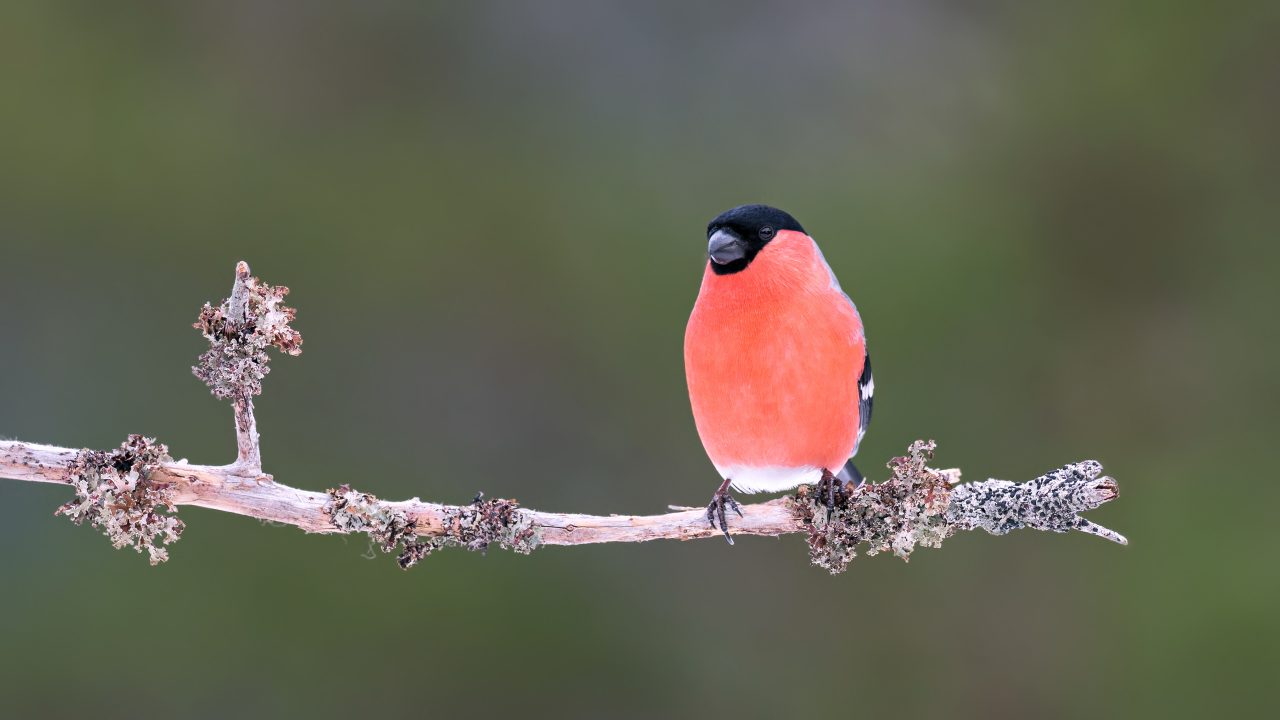
no rain…
ah but the scent
of jasmine
© John Knight (1935-2012) (Australia)
This is a fine example of how haiku can express a feeling without stating it. The word “ah” lends a hand in knowing the exact feeling of the writer, but the emotion of refreshment could also be extracted without this word. Rain soothes, nurtures, and beautifies. The same can be said about the scent of jasmine, which is scientifically proven to calm the nerves with its sweet smell. This haiku shows a philosophical notion of wholeness: despite the absence of rain (jasmine is a seasonal reference for late summer, so the absence of rain would be more apparent during this time), the scent of jasmine has replaced its effects. In other words, if something fails to happen, something else will take its place. Nature has a way of retaining its balance.
I like the use of the ellipsis so the reader can feel the pause of the writer while he was witnessing the moment. I think the pacing is well done, and the lines are laid out efficiently. There is just enough words to convey its idea and feeling. Like I mentioned before, “ah” could have been theoretically left out, however, it gives us more of a sense of the mood. In terms of sound, I enjoy the usage of “n” in “rain,” “scent,” and “jasmine.” It provides the poem with an air of dignity, in my opinion. The simplicity and naturalness of how the haiku reads is also admirable.
– Nicholas Klacsanzky (Ukraine)
Learn about John Knight and read more of his poems here: http://livinghaikuanthology.com/index-of-poets/livinglegacies/3694-knight,-john.html
Did you enjoy this haiku? Please tell us why in the comments.
 Haiku Commentary
John was a great guy! He judged the first haiku competition for FAWQ, my very first, where I didn’t do too badly. Years later he published my work (longer poems) in Social Alternatives, a great magazine. He was a really nice guy, and it was a privilege to have met him at least once. :-)
Obituaries : John Knight – UQ eSpace – University of Queensland
https://espace.library.uq.edu.au/data/UQ_331671/ff7_1_2012_p34_35.pdf?Expires=1519559150&Signature=eM3eXrlbJcZqkkZXjcFOSr9zPlpM67~Dr2b6fI7hK5n2MbgurbYTcDU8LhFitgyyiliIRh3m4O3fi0vq5uBhtpxTfTJNKZy4PHrsC8zFhRrONOIJlVdnVe9MSlq5FWVxgAMIcxU9U5Rizhh~dvZZGgcp2uimLxxTRuPl1s15yAvTeNiigZlLAuFAXNd1BQLJUNre~2c3PvOWOuVuuxeytv5FLOpGKd5YtoRv3V4o1S3UPvz4psy4EOYWiJYuOj2ABMQIi4BnX7IRS0akjK2KyE-I~q7M-qzs1U1-~jKh7bHK5jKLcgTHvkwN1Wbbq0sgnFGjMepXrdZVf2ehizodpQ__&Key-Pair-Id=APKAJKNBJ4MJBJNC6NLQ
Social Alternatives 30th Anniversary:
Click to access synoteditorial.pdf
warm regards,
Alan
Alan Summers
President, United Haiku and Tanka Society
co-founder, Call of the Page
LikeLiked by 1 person
Thank you for more information about him and giving us more of a picture of his personality.
LikeLiked by 1 person
No worries! That was an Aussie term that wasn’t then known across the world, but is now. :-)
John did so much, with Post Pressed he published Janice Bostok (a good friend of mine) and was part of the Paper Wasp haiku group that myself and Janice were invited to join. It was just a Brisbane haiku group then, and blossomed into being an international journal and group. :-)
Alan
LikeLiked by 1 person
It seems like he was a kind and warm person :) Is Paper Wasp still being published?
LikeLiked by 1 person
Reblogged this on Frank J. Tassone and commented:
#Haiku Happenings #1 (2/24/18): Nicholas Klacsanzky haiku commentary on John Knight’s Jasmine!
LikeLike
Thanks for sharing :)
LikeLiked by 1 person
Paperwasp were going digital, but I’m not sure it’ll happen yet:
LikeLike
It’s been around 2 years since it was going to go digital:
Jacqui includes another of John Knight’s haiku here:
LikeLiked by 1 person
I see. Well, it is difficult to arrange everything for a publication. I hope they can continue Paper Wasp soon.
LikeLiked by 1 person