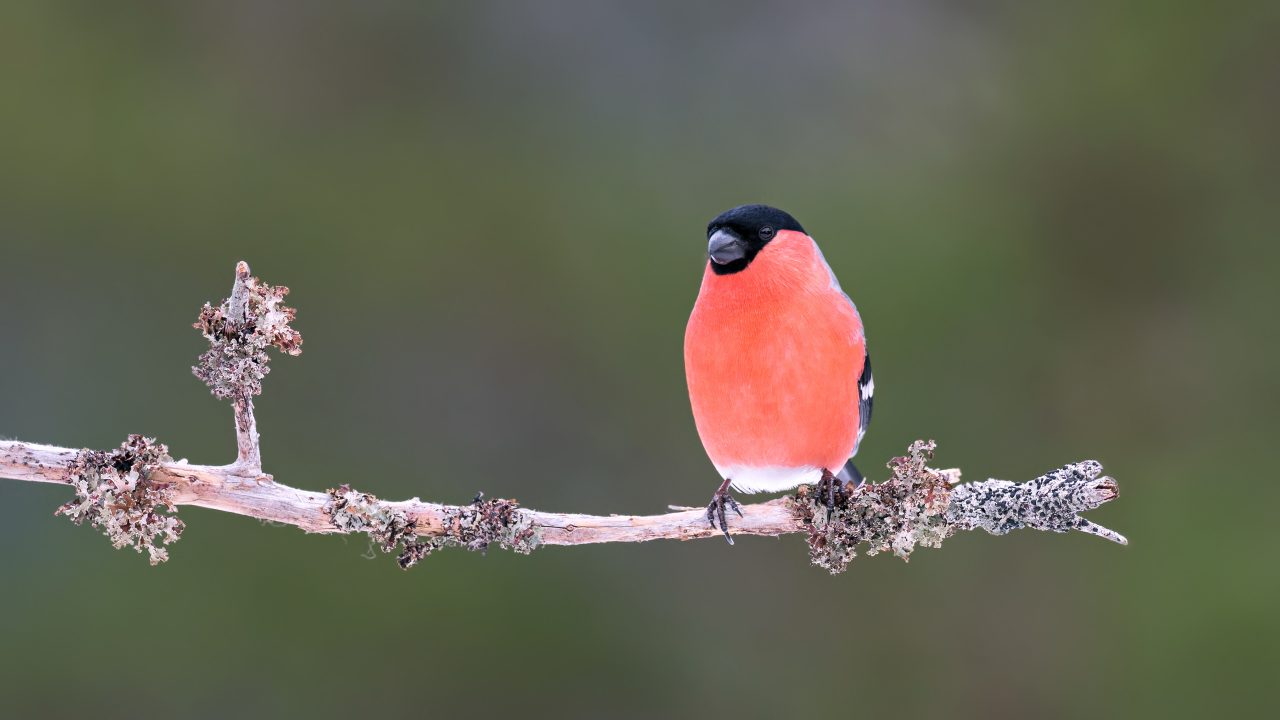
mother’s walk
we wander through
each other
© Brendon Kent (UK)
Published in Moon on Water
This haiku shows deep feelings about attachment and detachment. ‘mother’s walk’ intrigues me with the purpose associated with it. Usually, a mother’s walk revolves around the daily activities of her home and children. On contrary, she may want a break from daily activities or a tough routine just to be by herself.
The second and third line suggests that she is not alone whilst walking. She may have the company of another person who has similar feelings or routines. The other person could be either a child or a spouse who is constantly trying to understand the deepest feelings of the mother. This situation also reflects the calm personality of a mother that is usually neglected due to daily activities. It seems the other person came to know about this side of hers rarely, so that’s why she/he enjoys to wander through the feelings and thoughts that are not expressed well in the daily routine.
I can also see empathic listening here, where both are sharing their estranged feelings for each other, most probably silently, as both are passing through similar experiences of life.
– Hifsa Ashraf (Pakistan)
I like the many readings available for the phrase “mother’s walk.” It can mean a specific route the poet’s mother took, the way his mother walked, or a day or time the poet set aside for walking with his mother. The lack of punctuation in the first line also adds to the content of the last two lines.
The second line ends with suspense. It hangs on the edge of “through,” and we try to guess what is next. I think it is also good to have “through” at the end of the second line, as I think the poet would not like having a rhyme with “wander” and “other.”
The ending is at once simple and surprising. This poem is an example of the haiku aesthetic of brevity and common language. Haiku poets try not to be superfluous or fancy, and Mr. Kent embodies these principles in this haiku. How the act in the last line happens is a bit of a mystery but the reader can come up with several ideas: the poet is on the path where his mother used to walk and he is “wandering” though memories of her, in a way the poet’s mother left a part of herself there (metaphorically or maybe her ashes were spread there), or maybe the poet is expressing that on an atomic level, each being is connected, even after death.
In terms of sound, the first thing I noticed was the strong use of “r” in “mother,” “wander,” “through,” and “other.” It gives the haiku a serious tone. Also, there are plenty of “w” sounds, which lends a wispiness to the reading. This gives a fine sonic balance to the haiku.
This haiku has a great mix of emotion, simplicity, and abstraction. With only seven words, it conveys the personal feelings of the poet powerfully.
– Nicholas Klacsanzky (Ukraine)
Do you like this poem and commentary? Let us know in the comments.
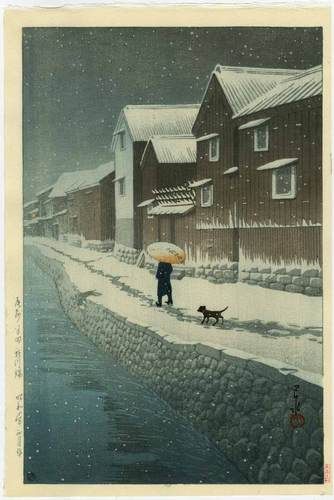
 Haiku Commentary
Reblogged this on Frank J. Tassone and commented:
#Haiku Happenings #4: Nicholas Klacanszky presents and comments on a haiku by Brendon Kent!
LikeLiked by 2 people
.
.
mother’s walk
we wander through
each other.
(c) Brendon Kent
.
If one were to explicate this haiku within the context of its original print credit, the forgoing commentaries would suffice as to technique.
.
However, once one considers this haiku within the poet’s collection
(“Moon on Water”, Alba Publishing, 2018, page 69), it behooves the critique include its significance within the overall work.
.
The poet is master of mature articulation of historical expectations in a seasoned haijin. Indeed, Kent rarely over-writes any haiku, and in fact uses dexterity in tightly folding words of resonance, a nuance of zazen, and mastery of toriawase, all emanating from a gift of hyper awareness.
.
After the reader has read the collection five or more times, Brendon’s work begins to speak in themes, as in a well orchestrated symphony. Themes of loves lost (and gained), expressions of themed ecstasies (often utilizing insects and flora to express the many orgasms found in nature), military oriented themes, the struggle tending the dead and dying, but more often expressions of relationships with other humans.
.
To begin analyzing the “mother and child” theme within this collection, with “mother’s walk” seems a disservice.
.
In the section of “Old Bones”, Kent develops an homage to his mother beginning with…
.
letting go
of mother’s hand…
blossom rain
(page 58)
.
Here we see a mother with a mischievous boy in hand, entering a park in Spring.
In this haiku, Kent reveals his appreciation of a mother who, from his most tender years, recognizes the boy’s proclivity to being hyper aware, reining him in until his eyes witness the site of a Sakura at the moment the breeze lifts the petals into a drifting rain.
The moment of delight and impulse to run to the rain of blossoms unhinge his mum’s handhold. Both take delight in the experience.
.
.
Secondly, in “Old Bones”, there is a curious haiku…
.
origami sky
how you fold clouds
into starlings
(Page 62)
.
Kent’s use of inverting the metaphor here is near genius, and yet wide open with white space for interpretation!
Some may argue this haiku to reveal an appreciation of a particularly talented lover.
However, knowing Kent’s age, (acknowledging his mum likely saw some hard times) at the end of WWII, the universal world depression and survival.
For me, this haiku resonates a woman of resource, perhaps a woman responsible for raising the children with little help of a steady income.
A mum who knew what plants to nurture in a small victory garden, a storyteller that could make poverty an adventure.
.
.
We end the themed homage here with…
.
mother’s walk
we wander through
each other
(Page 69)
.
Beyond what has been articulated on this breathtaking haiku, we witness two grown people relearning each other.
Brendon’s appreciation for his mother embraces the woman whose identity may many times have been suppressed in service to family.
We see a man, taking time to find the path back to who his mother is, was, wanted to be.
There is an intimation of the path being a bit of a struggle, because of?
Generational experiences?
Aging factors?
Mere life experiences of the old world verses the new world?
.
.
This is as humble an offer of explication that can be expected of any Texan.
.
I offer this in hopes readers of Brendon Kent’s work take the time to open, savor, tease out meaning, as his mastery requires a bit of patience to fully appreciate.
.
Jan Benson
LikeLiked by 2 people
Thank you Jan for the amazing commentary! You got at the heart of Kent’s work and mastery.
LikeLiked by 2 people
Thank you Nick!
LikeLiked by 1 person
Thank you very much Jan! That is a wonderful commentary!
LikeLiked by 1 person
Thank you Hifsa!
LikeLike
mother’s walk
we wander through
each other
This haiku has that great quality of the inner echo. I am left in its resonance with memories
from childhood, yet something immediate and in the moment. Brendon has combined the primal with the ephemeral.
I feel like I’ve been cast adrift, and left to internalize a beauty that I had never considered or
understood from this perspective.
Thank you Brendon.
LikeLiked by 1 person