Marina Balmaceda Paredes’ Breath

16+-+1

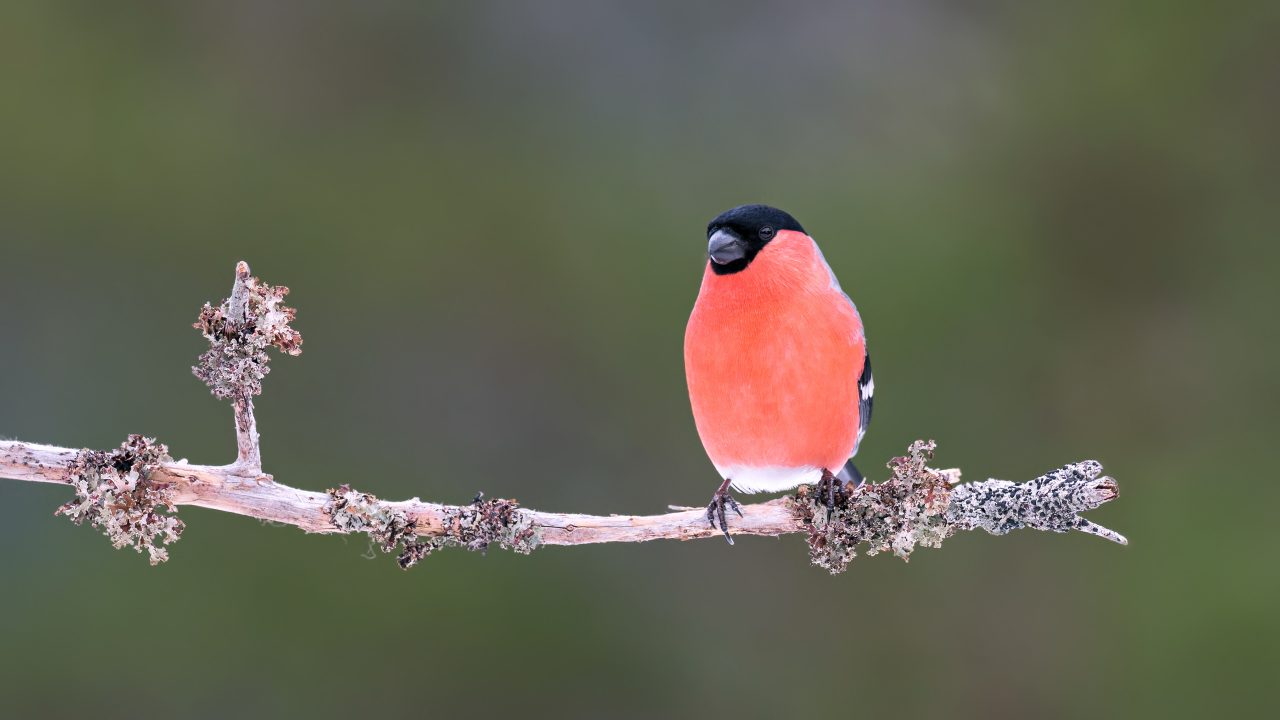
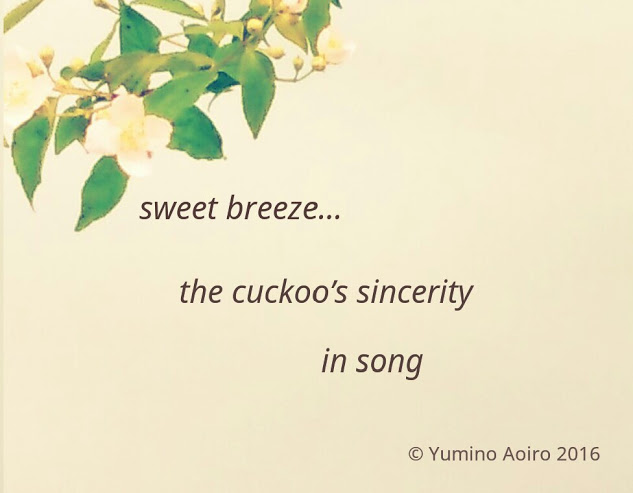
I love the journey of this tanka. It shows how our actions, like a simple breath, can be integrated with the nature and return back to affect our lives later on. The photo adds to the atmosphere, and maybe makes the breeze a sea breeze.

Names are kind of like leaves. They grow out from a being and are reminders of who we are. The poet is probably speaking the name of a loved one and has an insight about how her breath is carried throughout the natural world and returns to her own place of residence, throwing up leaves in her window to make a curtain in order for her to sleep better. The last line comes as a surprise and makes one peaceful simultaneously.

The sound of the tanka is resonant. The “i” sound flows through it with “i” “it” “stir” and “curtaining.” This sound gives off a starkness. Also, “breeze” “leaves” and “curtaining” have a sort of internal rhyme that makes me feel the wafting of the breeze more.

I also enjoy how the poet sets the lines, like a breeze carrying on. Marina has worked on this tanka thoughtfully and with great intention.

– Nicholas Klacsanzky (Ukraine)

Laughing Waters’ Spiderweb

doorstep
in her shoes
a spiderweb

© Laughing Waters (Italy)

Quite a multi layered haiku.What I mean by multi layered is that it can be read in at least two ways. First, we can read it as “doorstep in her shoes/spiderweb.” So, the shadow of the doorstep is in her shoe, kind of like it is wearing it, or the shadow of the place where everyone comes into the home is in the shoe, and that is being contrasted with a spiderweb, which inadvertently gets stuff stuck in it.

The second way we can read it is “doorstep/in her shoes a spiderweb.” Then, we have a mystery. Why do the shoes have a spiderweb in them? How long have the shoes been out there? Does that mean that something bad has happened to the owner of the shoes? A doorstep is a place where strangers and family alike come, and the person’s absence could signify death, and in joining the collective experience of the afterlife, being a part of nature, or being in heaven–whatever way you look at it.

Also, the image itself is interesting and captures one’s attention. In these moments, we can get lost in looking at what is happening in front of us and be in the moment, without thought.

The lack of punctuation makes this haiku more free and fun to read.

– Nicholas Klacsanzky (Ukraine)

Martha Magenta’s Stars

SAVE_20160518_192817

Each word in this shahai (haiku with a photo) is significant and carries many dimensions. Though the haiku can be taken literally, as two lovers far away from each other, and them gazing at different night skies, the metaphorical quality of the haiku easily comes through.

The tone of the haiku is almost argumentative. It is quite personal, like the reader is listening in on a couple’s heated conversation. “hemisphere” can mean literally the hemisphere one is in, or the hemisphere of the loved one’s brain, or in a more abstract sense, the perspective of the loved one.

“gaze” is not a light word here. From the tone of the haiku, it seems be used in a negative manner.

What I got from this haiku is that the poet does not like how a certain loved one perceives or notices only the exterior or holistic points in the poet, while the loved one is missing the “stars,” the small things that create the larger picture of who she is.

And what a large entity we have in the photo, of which appears to be a panorama of a galaxy or two (or maybe infinity itself, because we are infinite, right?). I believe this shows the wideness the poet wished the loved one saw in her.

Though there seems to be more than enough pronouns, the haiku is so engaging that I didn’t even consider it a problem.

The wording is concise and it is well-phrased. I would move this to being a senryu rather than a haiku based on its tone. But ultimately, the feeling behind the poem is more important than the categorization.

– Nicholas Klacsanzky (Ukraine)