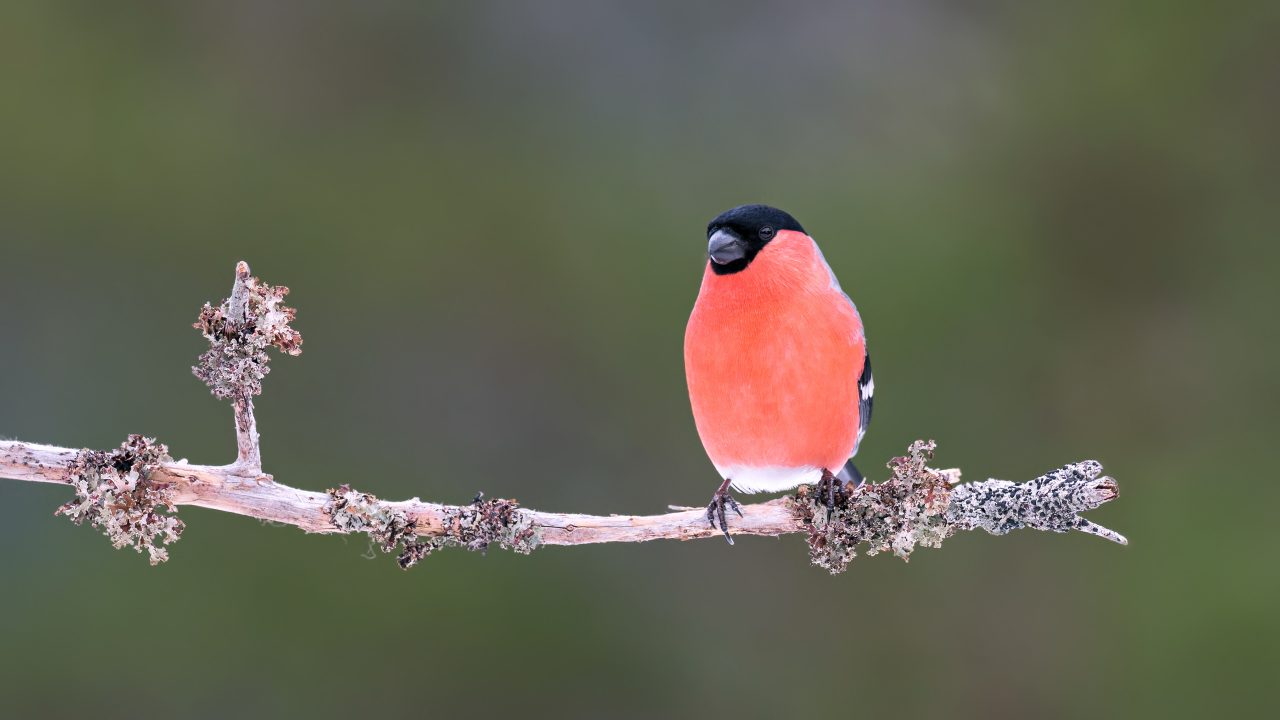
the last one melting
in the snow-jerk’s grip
cola float
— Alan Summers (UK)
The Pan Haiku Review Issue 2, New Year’s Eve/Winter 2023
A Kigo Lab, Special ed. Alan Summers
Commentary from Nicholas Klacsanzky:
What initially drove my interest in this haiku is its unique kigo, or seasonal reference. In the poet’s own words: “After “Soda jerk” a term used for a person who operated the soda fountain in a drugstore, preparing/serving soda drinks & ice cream sodas. A snowjerk is a snow chaser, as the snow decreases in some geographical areas, and increases in other areas. Snow will soon be like diamond dust.” This reflects the effects of climate change.
The first two lines could be interpreted in at least two ways. It may connect to the cola float mentioned in the third line, or an unnamed iceberg or ball of snow. I believe this haiku points to the irony or sadness of a snowjerk melting ice, snow, or a float with their hands. This melancholy is contrasted with the sweetness of the cola float.
There is a fine euphony occurring in the haiku with the “l” and “o” sounds. Also, the pacing of the haiku aligns well with the original Japanese rhythm of this art form. Lastly, though the kigo is unique, the language itself is accessible. Overall, it’s a haiku you have definitely never seen before with pressing topics built in, which makes us pause and ponder.
a dog
gnawing its bone
— re-reading her letter
— Royal Baysinger (Canada)
Modern Haiku, 54.2 (Summer 2023)
Commentary from Jacob D. Salzer:
As with many powerful haiku, complex emotions are implied in the first two lines through the “show not tell” method. In addition to re-reading the letter, there is repetition in the act of gnawing. The em-dash also provides a weighted pause, which adds emotional weight. The fact that the poet is re-reading this letter also tells us that it has heavy emotions within it. As readers, we can likely relate to this experience or enter our imagination in this haiku in our own way.
Using simple words, this haiku has a powerful juxtaposition that balances concrete imagery with mystery. It has room for the reader and is relatable. In short, this is an effective haiku that focuses on the layered complexity of relationships.
ragwort sprouts…
mother pats her wrinkles
with a gentle sigh
— Nisha Raviprasad (India)
Under the Basho, June 1, 2024
Commentary from Hifsa Ashraf:
We all try to compare and contrast many things in our surroundings to justify or satisfy ourselves. In this haiku, the poet relates ageing with the leaf structure of ragwort sprouts which are wavy and wrinkled.
Mother, who is patting her wrinkles with a gentle sigh, is perhaps indicating her feelings of satisfaction that she is not alone. Though her skin is changing, other things in nature pass through similar transformations right from the beginning. The words ‘pat’ and ‘sigh’, though, perhaps show signs of satisfaction and motivation that she gets after seeing ragwort sprouts. There may also be a comparison between the poisonous nature of ragwort and changes in mood, thoughts, and feelings due to ageing that become more cynical or bitter. As ragwort causes skin allergies, I can see an element of fear here where the mother makes herself content by assuring herself that her skin is still healthy despite dangerous risks in her vicinity. She may be trying to accept ageing and adjust to it positively.
Looking at the sound, the letter ‘w’ could indicate the continuous thought process of ageing that can be satisfactory or dissatisfactory.
 Haiku Commentary
Many thanks to Nicholas Klacsanzky for his commentary on my haiku:
the last one melting
in the snow-jerk’s grip
cola float
— Alan Summers
Thank you for stating it is a unique kigo (seasonal reference) because Japanese kigo were attuned to the old Lunar Calendar, a Farmers’ Almanac of accuracy, as much as poetic emotional tugs at the heart. In Japan there are constant new kigo which may or may not surviving the next year’s publication of many books (saijiki and kiyose) recording potential candidates for new haiku.
Climate dynamics, and all its many names and terms, was always going to shift and weave on this planet, and of course huge populations of humans and industrial influences could always accelerate this faster than humans could keep up.
I love “This melancholy is contrasted with the sweetness of the cola float.” As we know, certain cola drink manufacturers deeply pollute the oceans with plastic bottles quickly discarded by human consumers. With sweet also comes sour. (smiles)
Nick said:
“There is a fine euphony occurring in the haiku with the “l” and “o” sounds.”
the last one melting
in the snow-jerk’s grip
cola float
It’s long fascinated me that many poets sub-consciously add aspects of formal poetry into free verse. Sometimes my haiku are pure prose, sometimes a hybrid partnership between journalistic reporting and poetic device for the emotion and both crafts hopefully combine successfully!
I feel greatly influenced by Fay Aoyagi’s blog of contemporary Japanese-language haiku which I receive every day. It must surely help to bridge the gap between haiku from the ancestral country and its daughters, sons, nieces, and nephews in other countries and cultures.
Thank you again for this last comment:
“Overall, it’s a haiku you have definitely never seen before with pressing topics built in, which makes us pause and ponder.”
I hope poets will visit or re-visit my article called “Ankle of the Dragon: In Pursuit of Kigo” featured in Pan Haiku Review Issue 2 (Winter 2023) and what you could write about in our November-December 2024 through to February 2025 Winter!
Alan
LikeLiked by 1 person
What a powerful and wonderful haiku! The new kigo, the assonance and the extent of its meaning touch me profoundly. It’s a great example, Alan, of how haiku keeps going with the flow of times.
LikeLiked by 2 people
Thanks Marjolein!
With the current climate challenges that so many countries are up against, once again haiku can add these seasonal incidents, and capture society in a moment, which is often seen as a strong feature, capturing moments one by one, whether regular or irregular occurrences.
Quite literally ‘one eye to the sky!’ as Ronja Mattis would say.
Alan
LikeLiked by 2 people