Isabella Kramer’s Sleeping Crows

sleeping crows
under the milky way
nightingale’s echo

© Isabella Kramer (Germany)

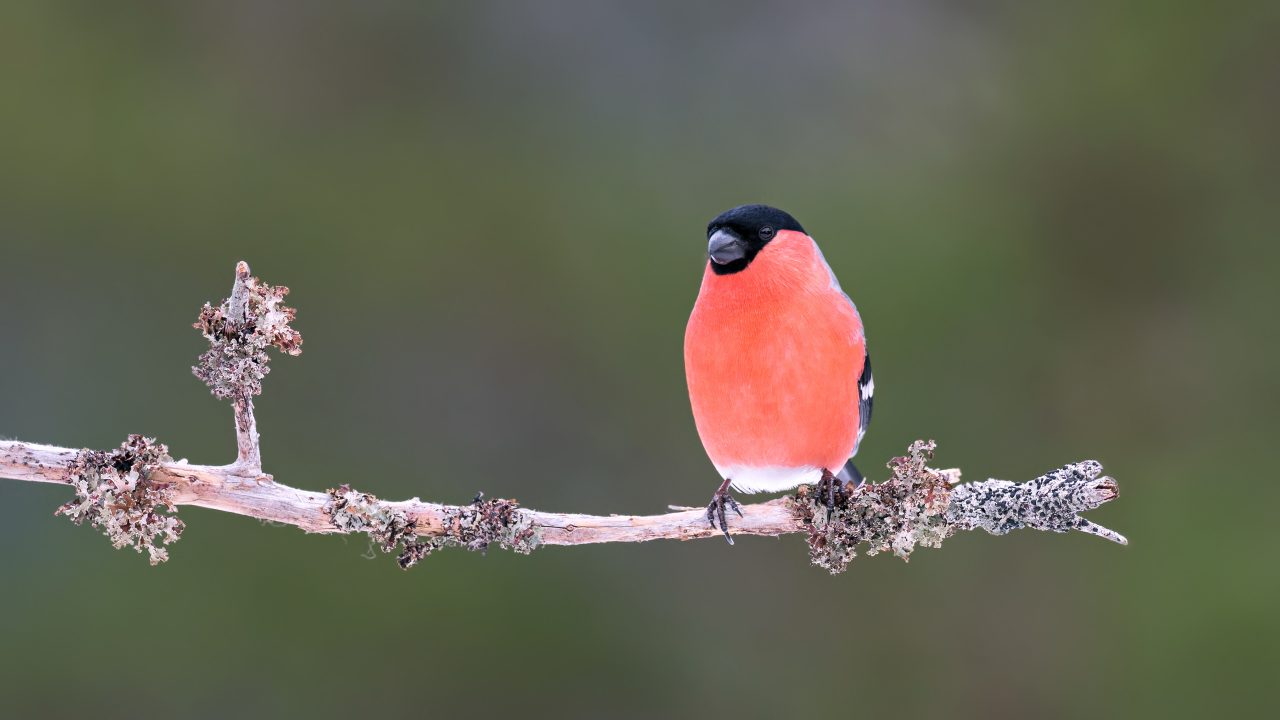
I enjoy the subtlety and epicness of this one. The crows are sleeping, and their various calls cannot be heard any longer, but the nightingale’s echo (not song, but echo of it, which is important to note) still resounds. The nightingale exhibits many sounds while singing, like whistles, trills, and gurgles. And this echo of its song is underneath the expanse of the milky way.

Firstly, as a reader, I can say it is simply an exquisite image. But beyond that, we have a continuation of sound in the nightingale–and at night, when dangerous things are supposed to happen. The nightingale’s song is loud and immensely beautiful, and is a common subject for poetry because of its enamoring song.

Why is it important that it is an echo of the song rather than the song itself? I think because when we look up at the milky way, its distance is clear, but its beauty is still mesmerizing. The same could be said about the echo of a nightingale’s song.

The nightingale as a kigo or seasonal reference is for all seasons. Comparing that reference with the seeming eternity of the Milky Way is poignant.

The colors are also important to mention. The milky way could be said to be white and the crows are black. Though we would associate the night with darkness, the bright milky way and the bright song of the nightingale fill it with a brilliant atmosphere. Readers might ask the question, “Is night really night?” And for that matter, “Is anything really as it is?”

I think Isabella used the “o” sound effectively with the ends of line 1 and line 3 being “crows” and “echo.” Also notice the use of “l” with “sleeping” “milky” and “nightingale” which makes the haiku more musical.

A succinct, but grand haiku.

– Nicholas Klacsanzky (Ukraine)
Hannes Froehlich’s Lifeline

lifeline—
wind and water
carve …

© Hannes Froehlich (Germany)

I love the pure simplicity and clean wording of the poem. You can draw much meaning from a few words, and this haiku accomplishes that.

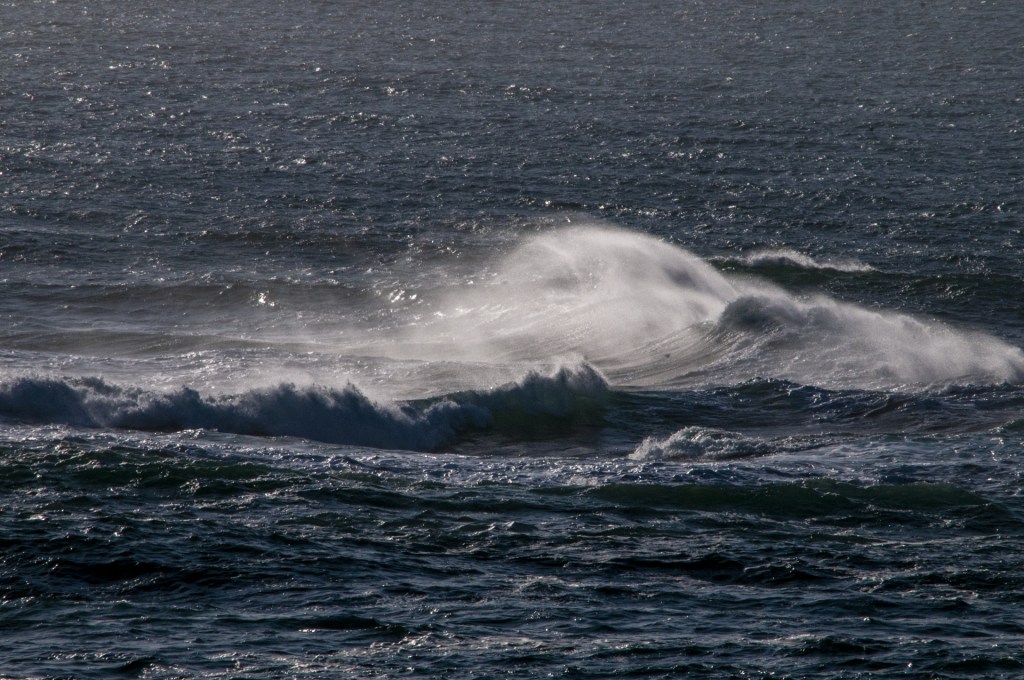
The poet notices the slow effect of natural erosion with “wind and water / carve,” and then adds an ellipsis to let us know that the process continues indefinitely. Without that “…,” we might not feel cast off and left to drift through time. This device works beautifully. I think a great haiku casts us off at the end to let us drift on, thinking about what it has given us, of what we can keep finding in its additional layers.

But now for the real power: “lifeline—”

We wonder and imagine how our lives connect to this vast force around us: why are we here, and what purpose might we have in some greater plan or structure?

We know that we need water and air (wind) for survival. But what kind of survival could we imagine? What if we think of how “short” we are in time, and how the “lifeline” that crosses the very palm of our hand shows us our finiteness.

It’s as though he’s captured a primal working force of nature in the palm of his hand. In reality, it is in us; in our hands, our wrinkles, our tears, and our breath. Our lifelines are short in comparison to the long processes of earth time. But imagine looking into the Grand Canyon, then closing your fingers around it.

Imagine that the connection is there. It is there as surely as the water and stone and flesh of this fine haiku.

Let yourself into this one slowly for there is much else conveyed. Let it “carve” like the “wind and water.”

Thank you, Hannes, for sharing your work.

– Edwin Lomere

Photograph by Linnaea Mallette

Lucky Triana’s Last Time

16_-_1 (1)

Sometimes we need to poke humor at ourselves just to stay sane.
Lucky Triana’s “beauty parlour” tanka does this effectively.
a puss caterpillar
passes by
i can’t remember
the last time i went
to a beauty parlour

words and image
© Lucky Triana (Indonesia)

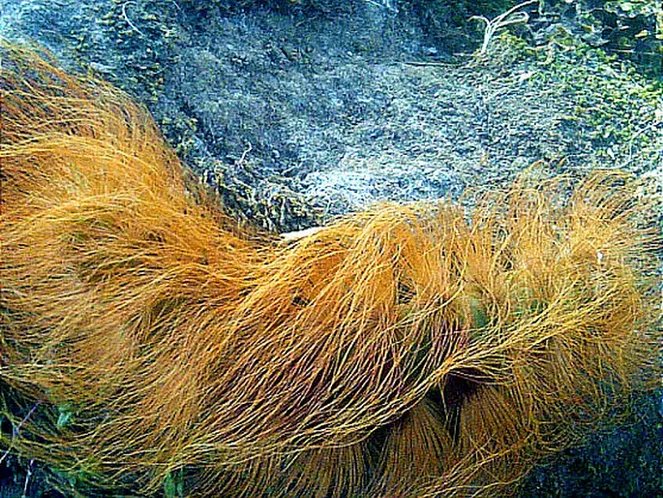
This tanka captures the need for self-image and a little vanity, but builds it all from a cuddly “puss caterpillar” that the poet sees passing by.

Maybe she forgot that her hair is important or maybe she is evolving into a more beautiful night being. If she looks disheveled like the caterpillar does in its latter stages, then perhaps she is going to need that beauty parlor.

I love the touch of mystery that the venomous puss caterpillar image gives us. But touch is something you want to avoid. Perhaps she is too dangerous to touch, but the hair stylist will have to deal with it and that adds another layer of humor.This tanka might be leaning more to kyoka but for now, I’d say, spruce up and go out clubbing this weekend. Soon the night will be all yours as a moth.

Thanks for sharing with us.

– Edwin Lomere (USA)